P
Publicum
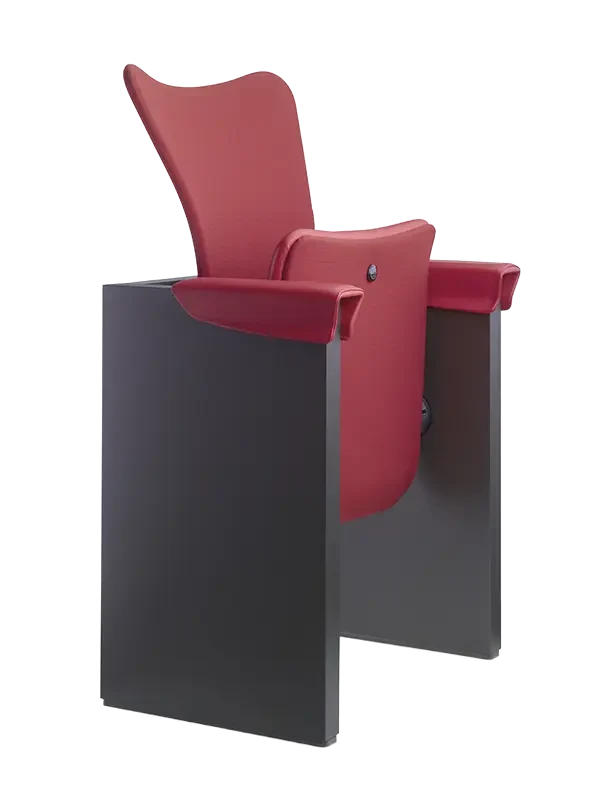
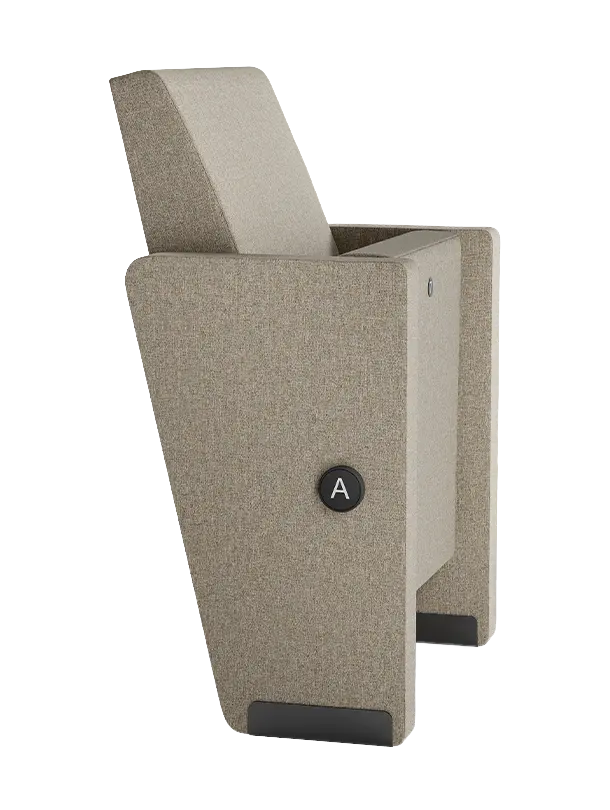
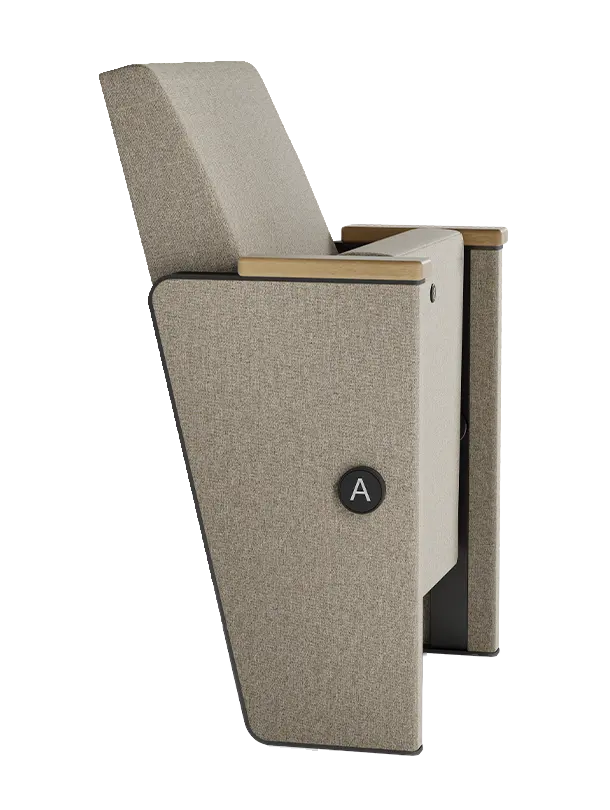
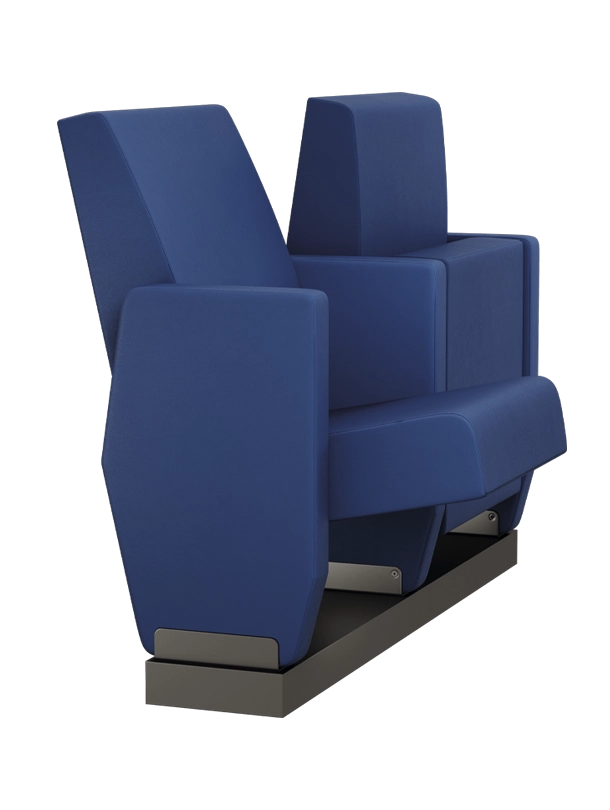
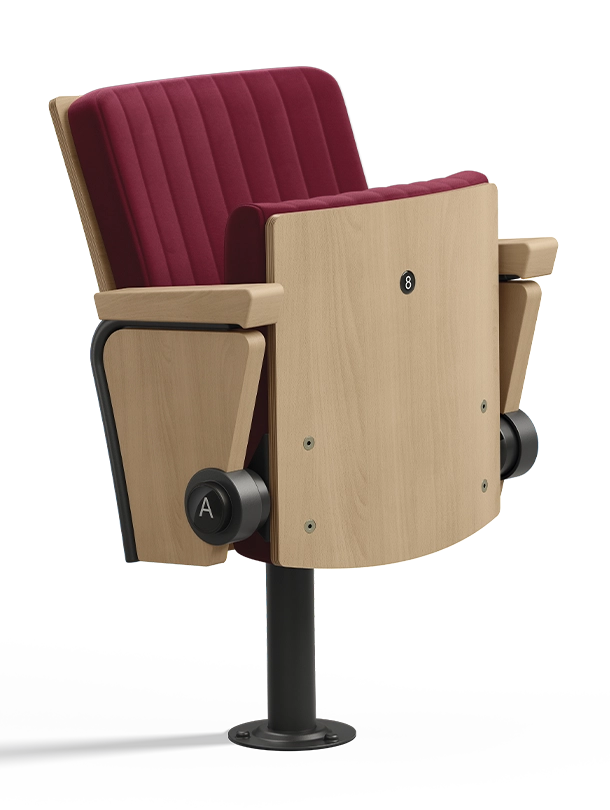
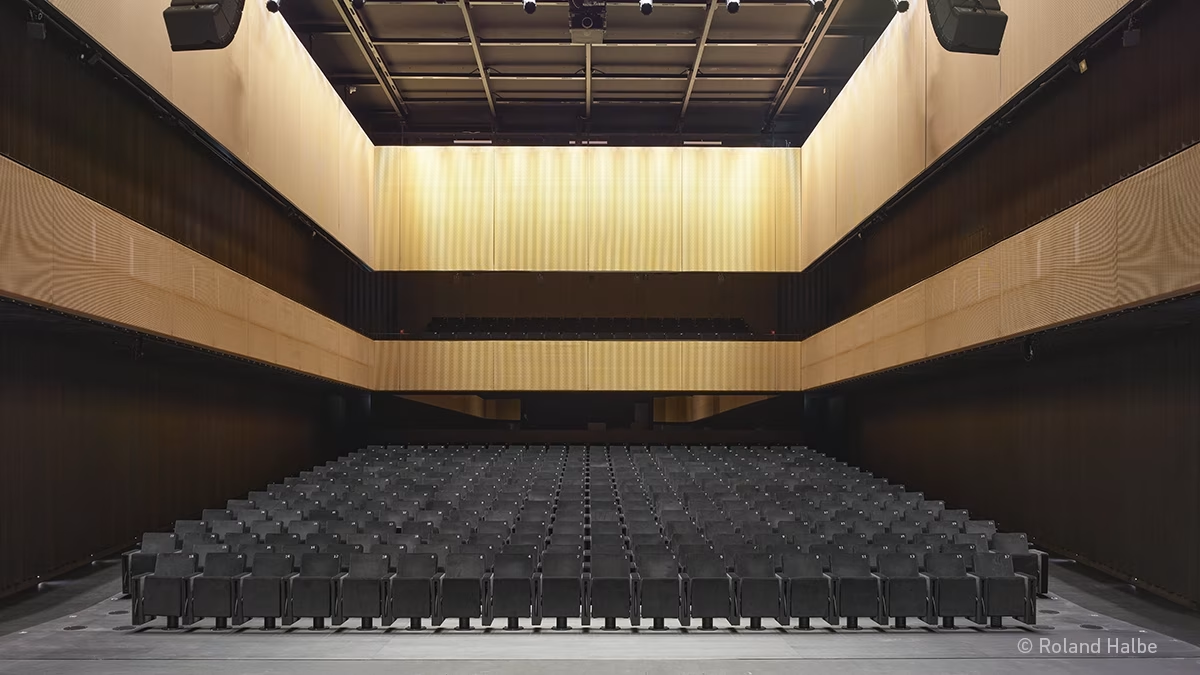
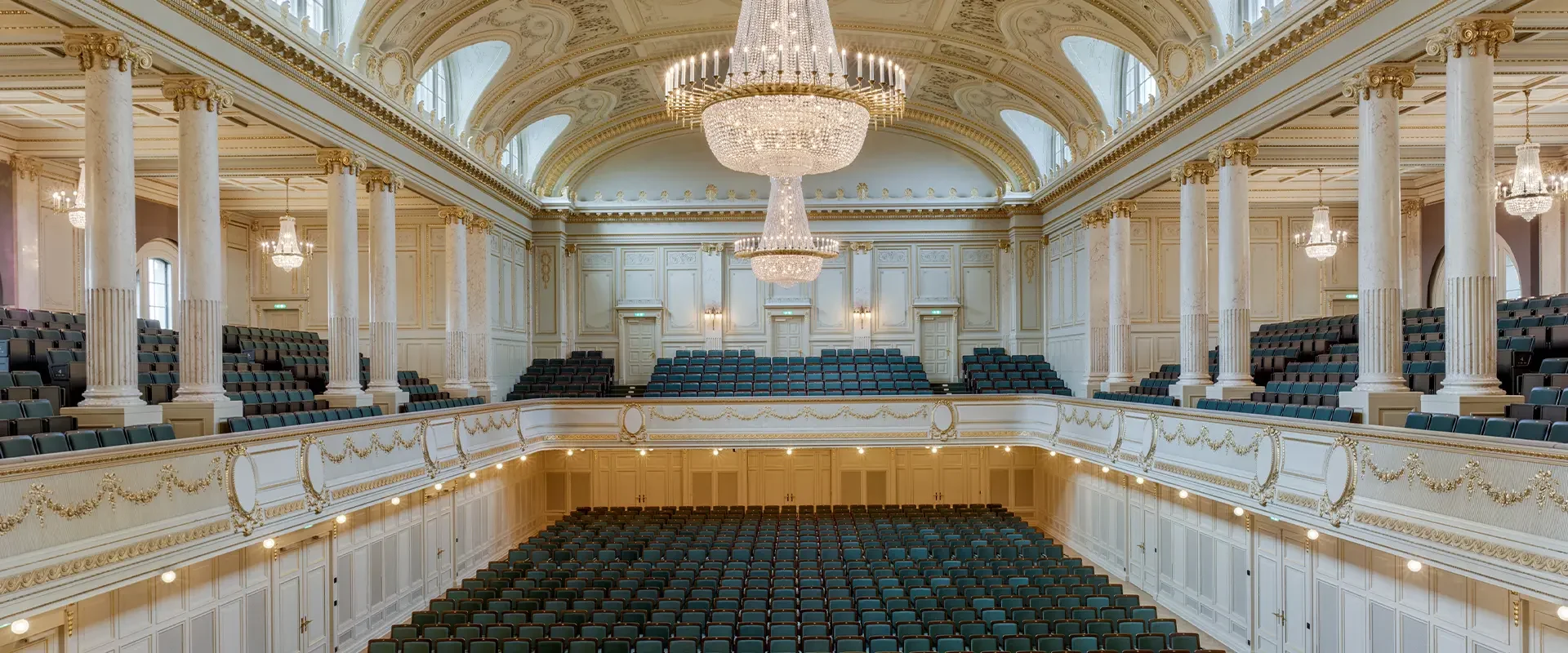
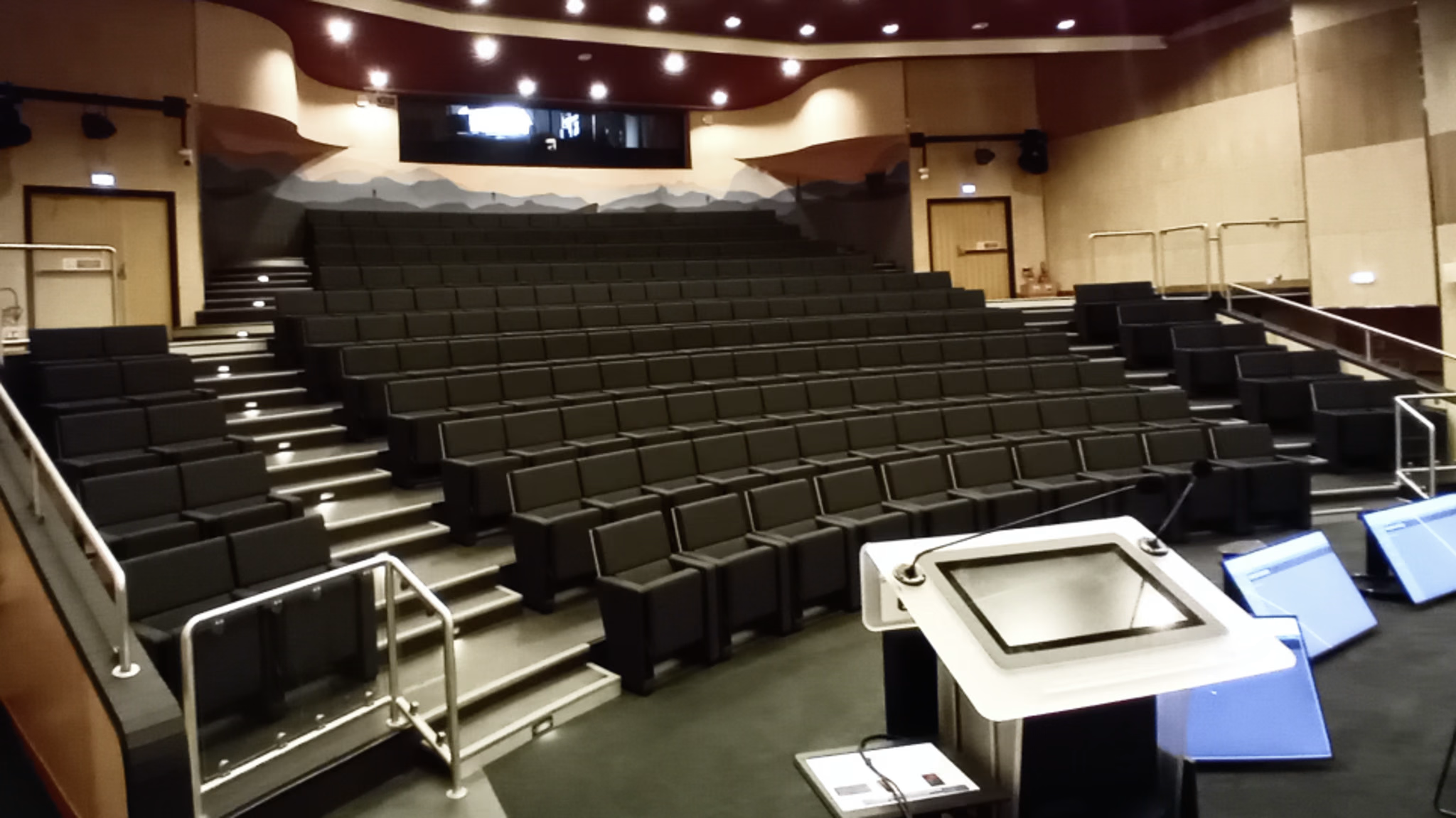
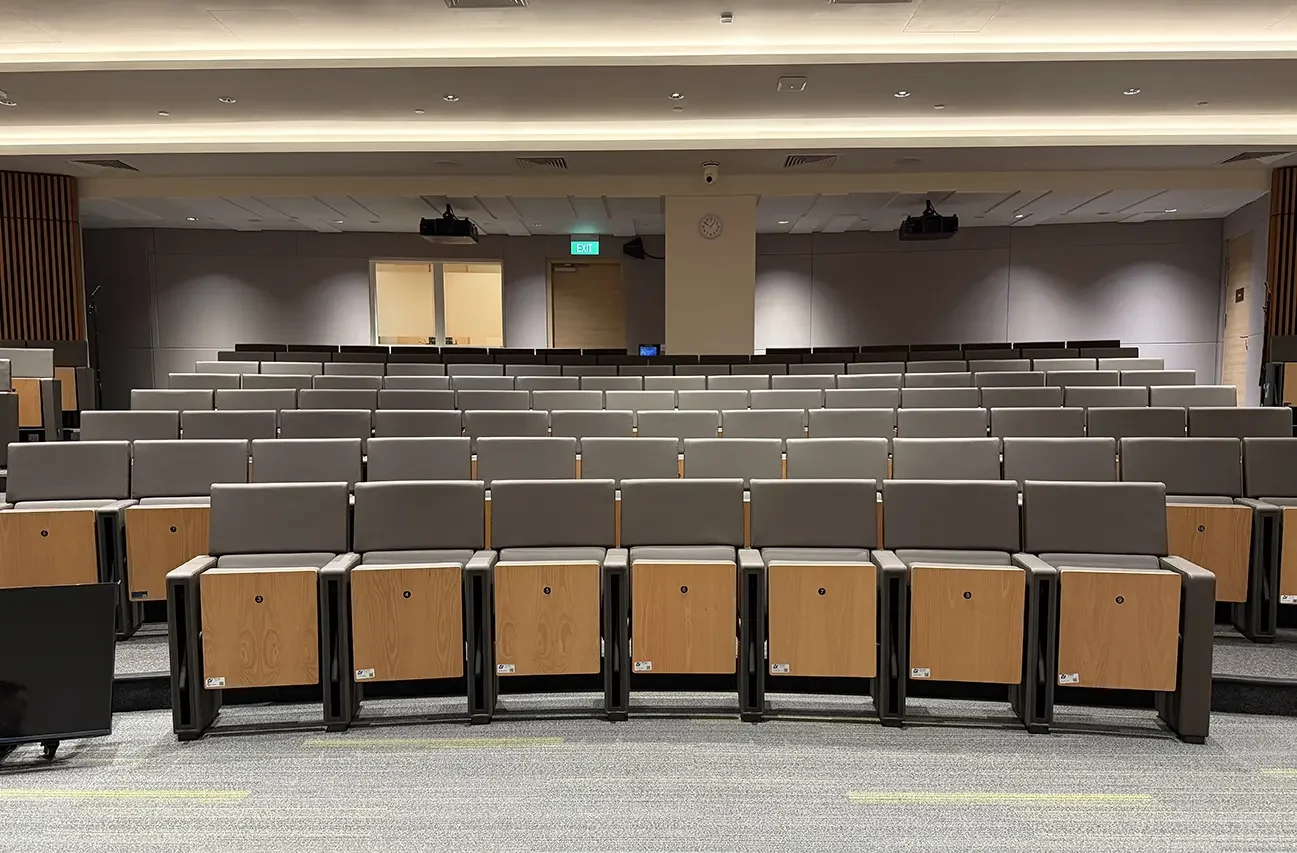
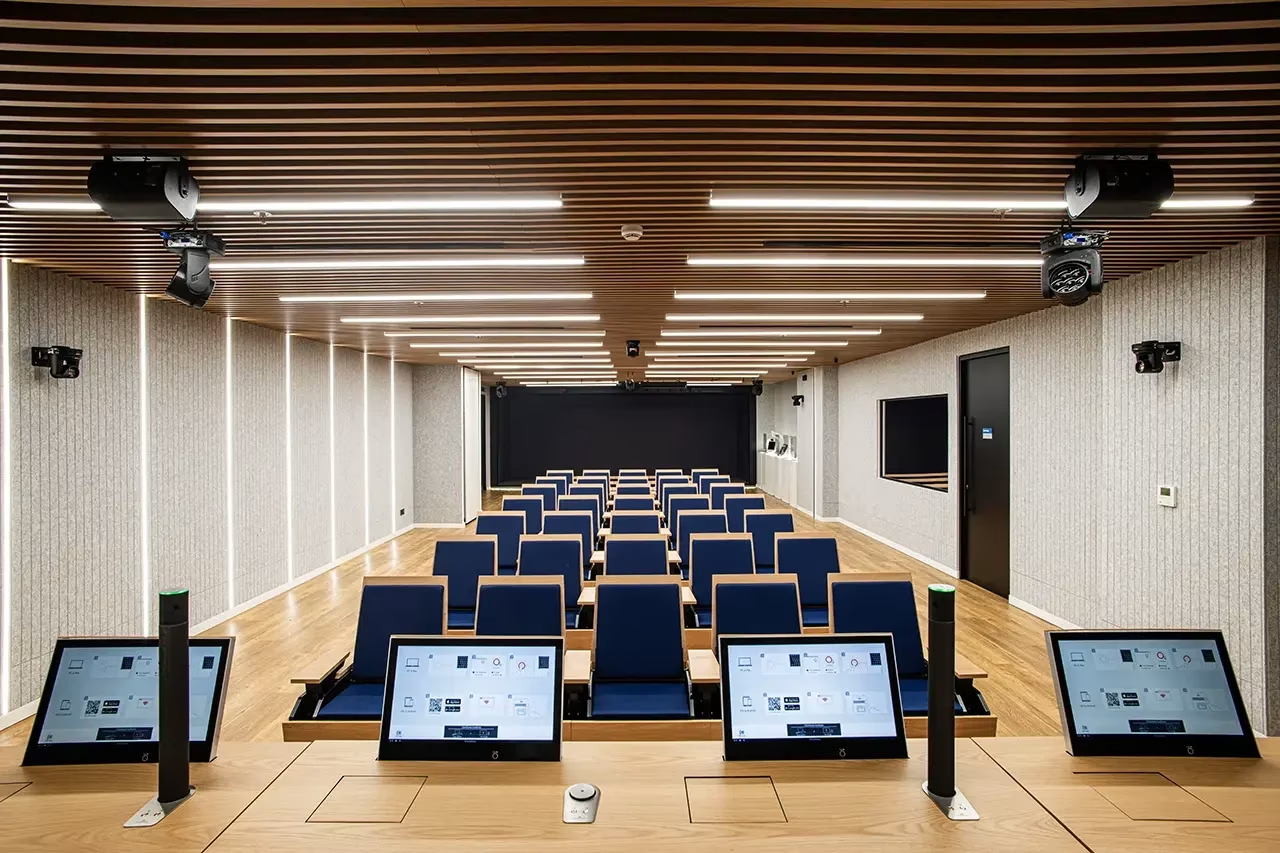
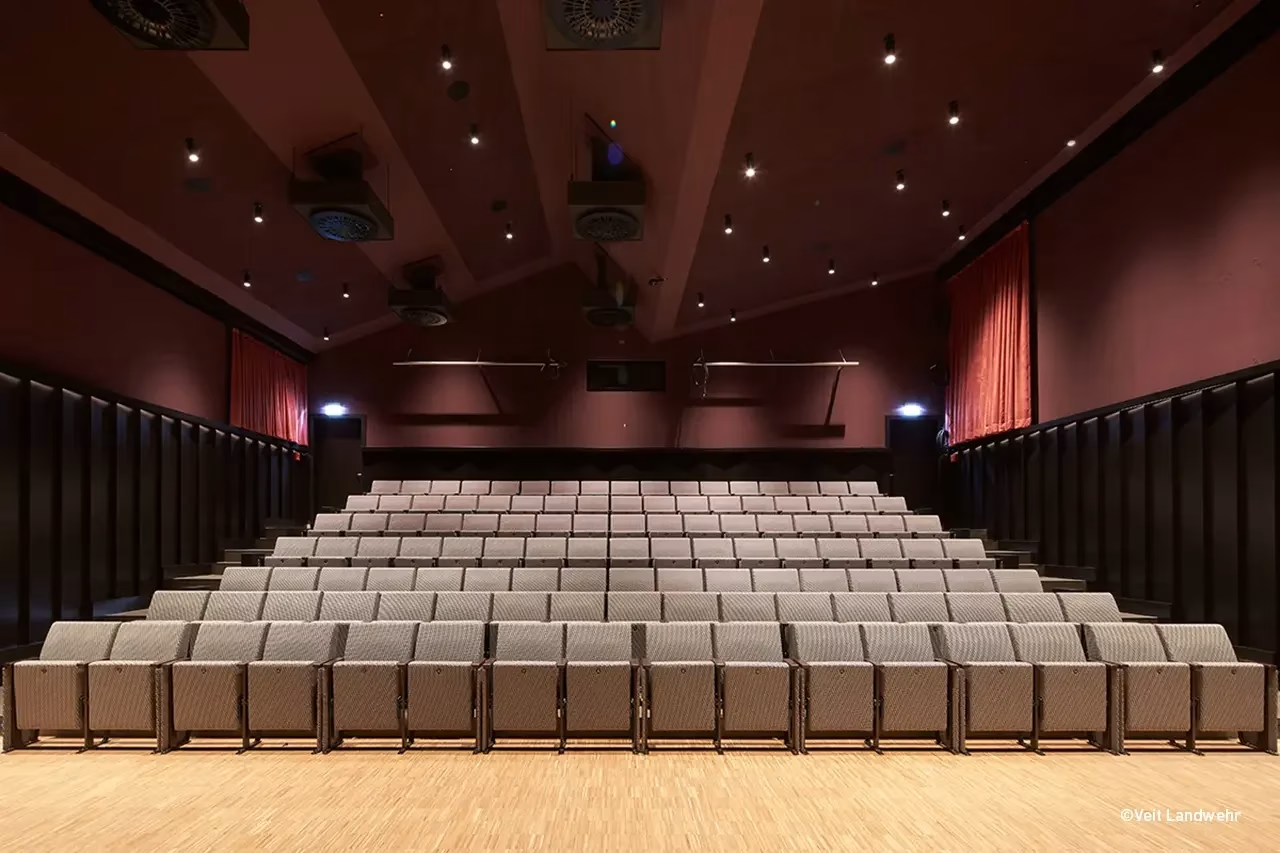
Figueras Seating plays a crucial role in outfitting public spaces like auditoriums, conference halls, and congress venues. Our seating solutions harmoniously integrate functionality with aesthetic finesse, catering to the unique dynamics of public gatherings. Recognizing that each chair is more than a mere seat, we design them as platforms for engagement, learning, and impactful decision-making.
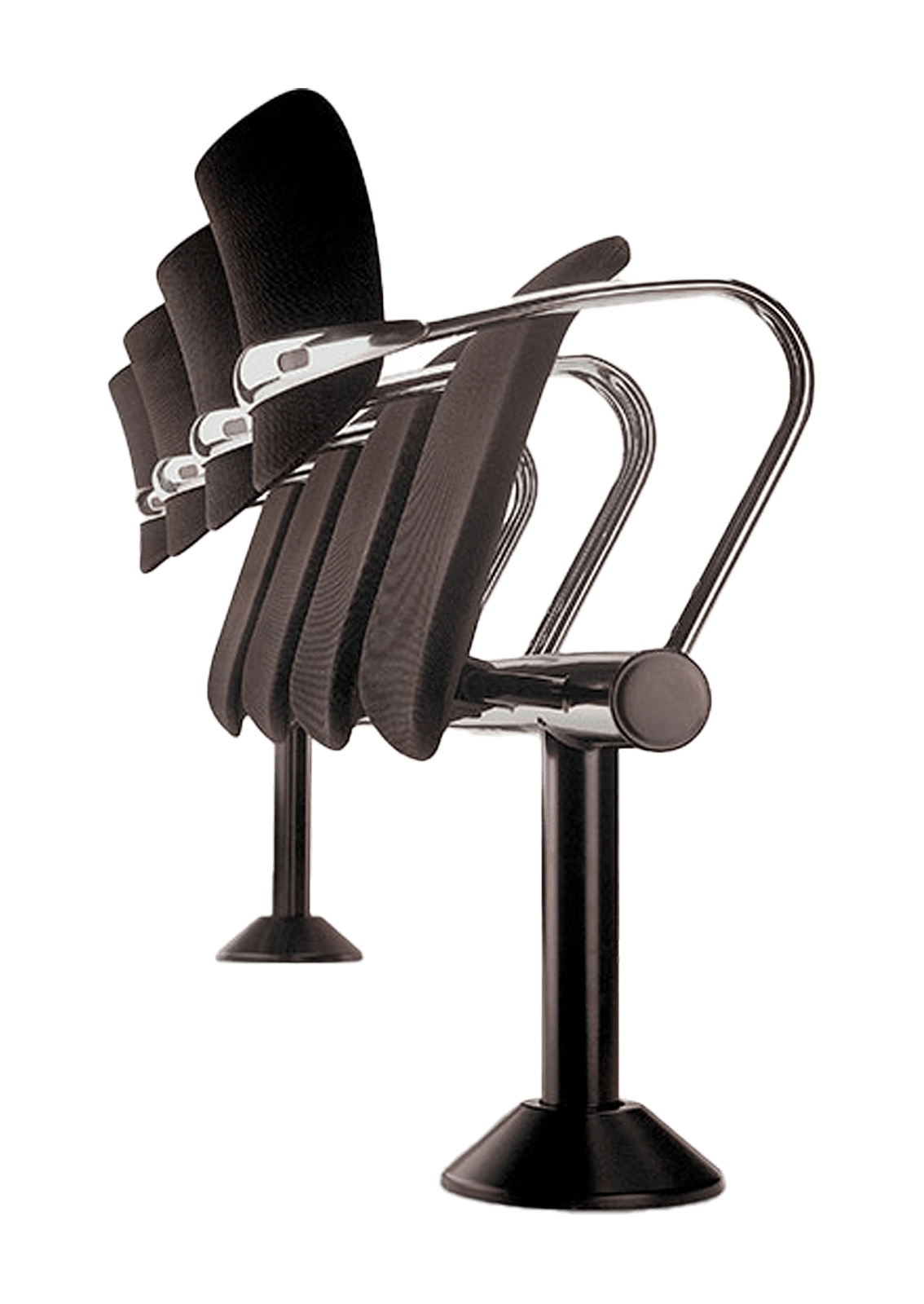
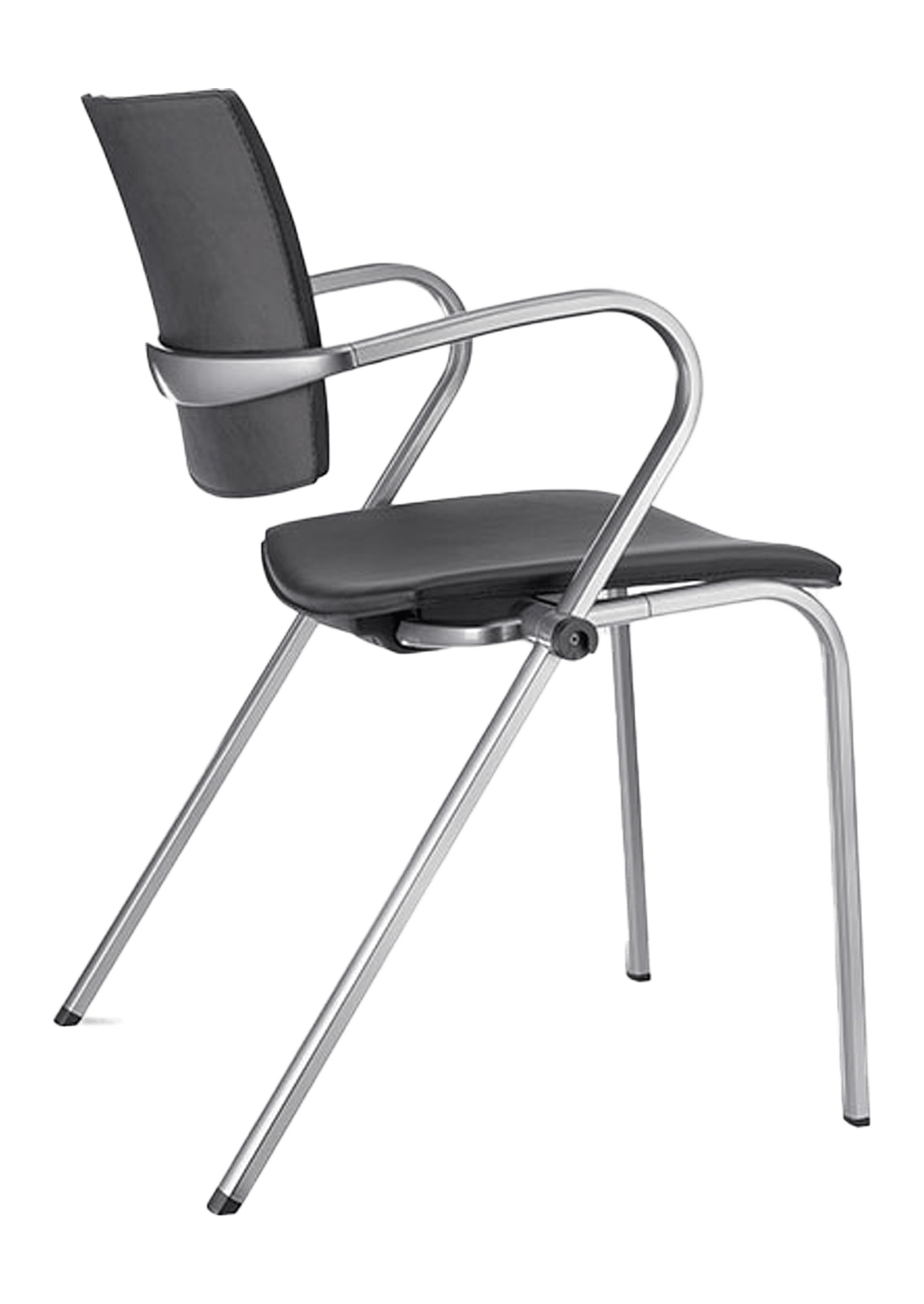
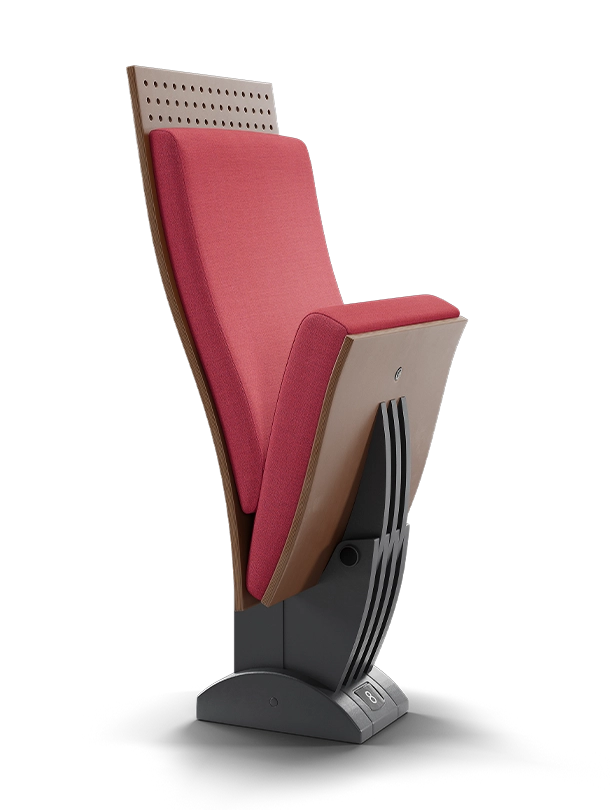
Tailored to enhance the experience of attendees, our designs ensure comfort for extended durations and foster active participation. Our seats are crafted to complement diverse architectural styles and spatial layouts making them ideal for spaces hosting significant events and discussions.
Innovation and excellence are at the heart of Figueras. Our seats not only fill a space; they create an environment encouraging idea exchanging and the forging of meaningful agreements. Each seat, embodying a balance of elegant design and impeccable functionality, stands as a witness to our dedication to improving spaces where people come together to share, learn, and create.
Take the first step,
request a quote today
PROJECTS
SEGMENTS
FAQs
What seating considerations are specific to public venues?
Public venues require seating that accommodates diverse users, multiple uses and regulatory requirements, while ensuring durability and ease of maintenance.
How does seating adapt to multi-use public spaces?
Seating can be designed to support different configurations and event types, allowing the same space to host varied activities.
How does seating support accessibility in public buildings?
Seating layout and spacing must consider accessibility requirements, ensuring inclusive access and safe circulation for all users.
How does seating affect circulation and crowd flow?
Seating configuration influences entry, exit and internal movement, contributing to efficient crowd management and safety.
What durability requirements apply to public seating?
Public seating must withstand intensive use, with materials and systems selected for long-term performance.
How does seating integrate with civic or cultural architecture?
Seating is integrated by respecting architectural intent, spatial geometry and the character of the public building.
How does seating contribute to the identity of public venues?
Seating can reinforce the atmosphere and identity of a public space, influencing how users perceive the venue.
When should seating be defined in public building projects?
Seating should be defined early to ensure proper coordination with layout, circulation and technical requirements.
Can seating solutions evolve with changing uses?
Yes. Seating can be designed to adapt to evolving functional needs and different event formats over time.
How does seating design support long-term public use?
Durable systems and considered layouts help reduce maintenance impact and support long-term operation.
How does seating balance functionality and user comfort in public spaces?
Seating design balances ergonomics, capacity and circulation to ensure usability for a wide range of users.
How do mobile seating systems support multi-use public venues?
Mobile seating systems allow public venues to adjust layouts and capacities for different events. They support flexible use while maintaining accessibility and circulation requirements.