P
Publicum
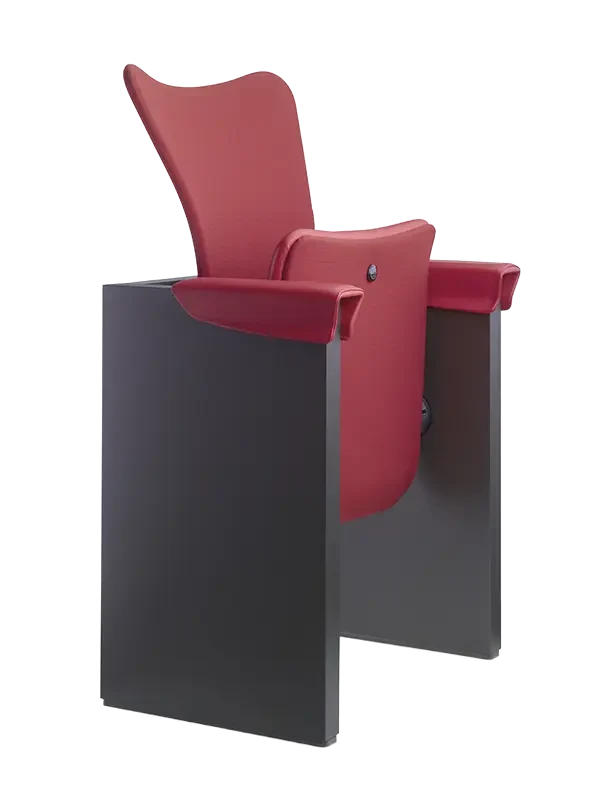
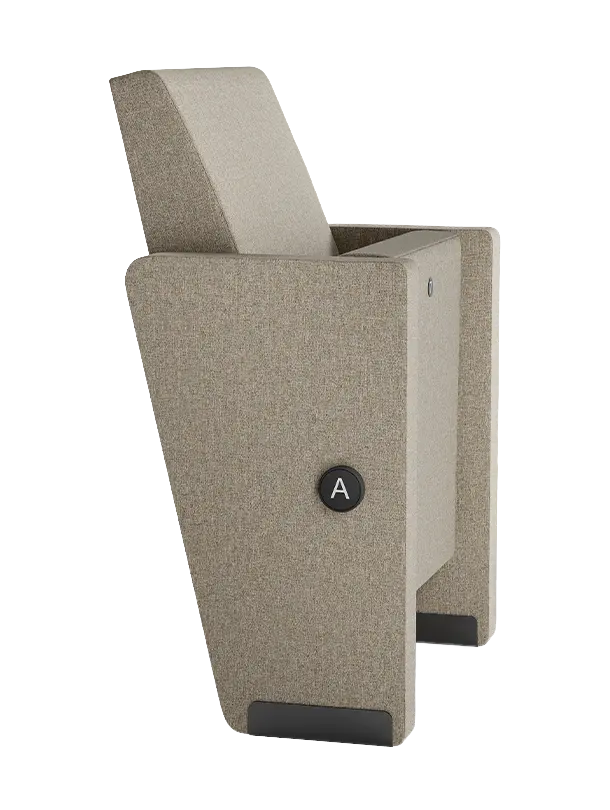
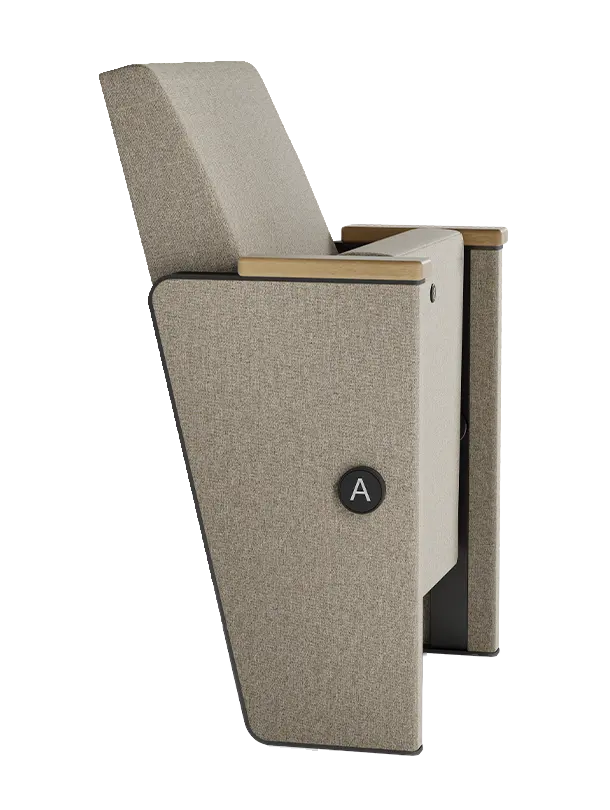
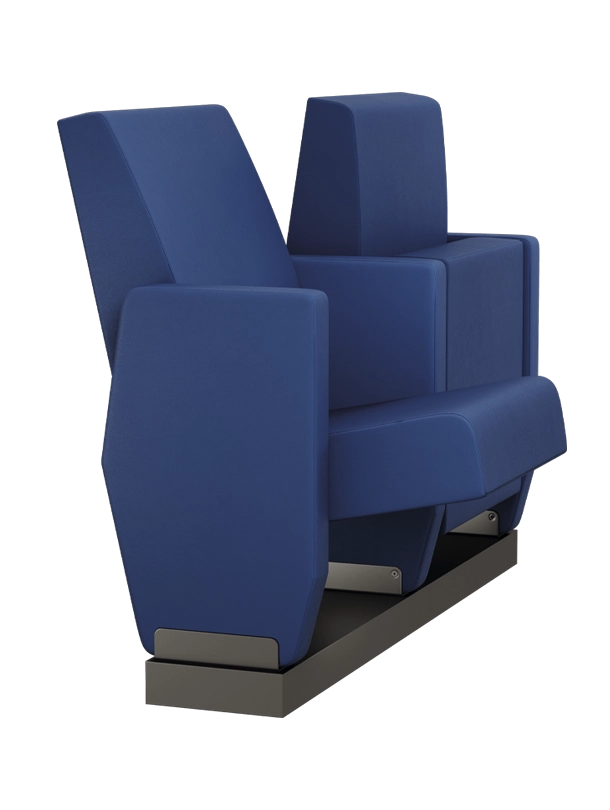
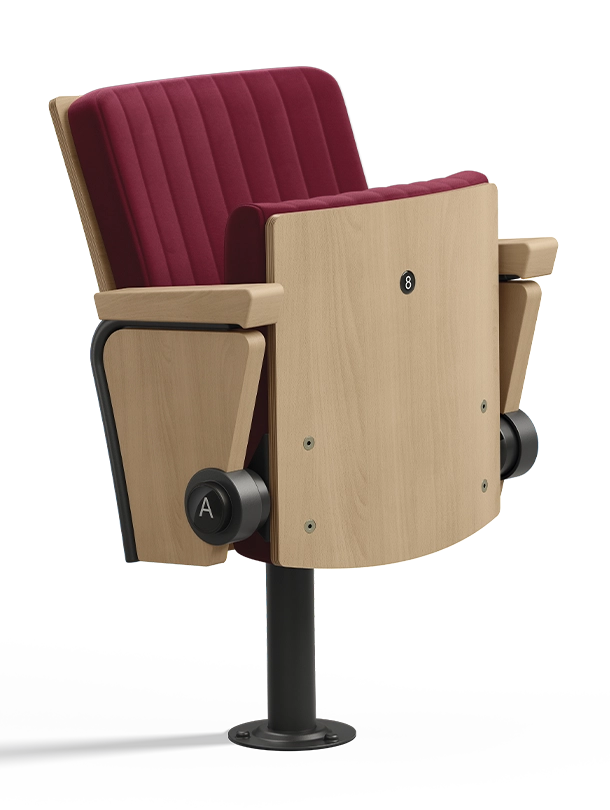
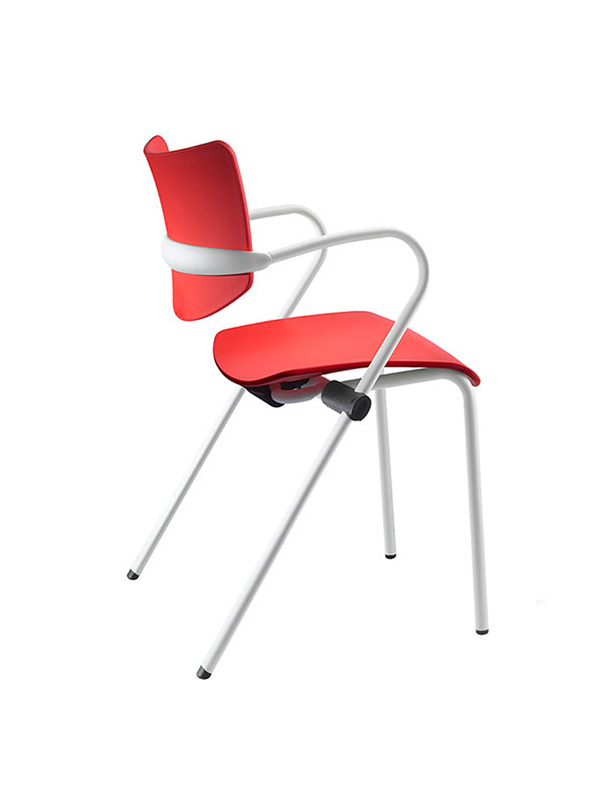
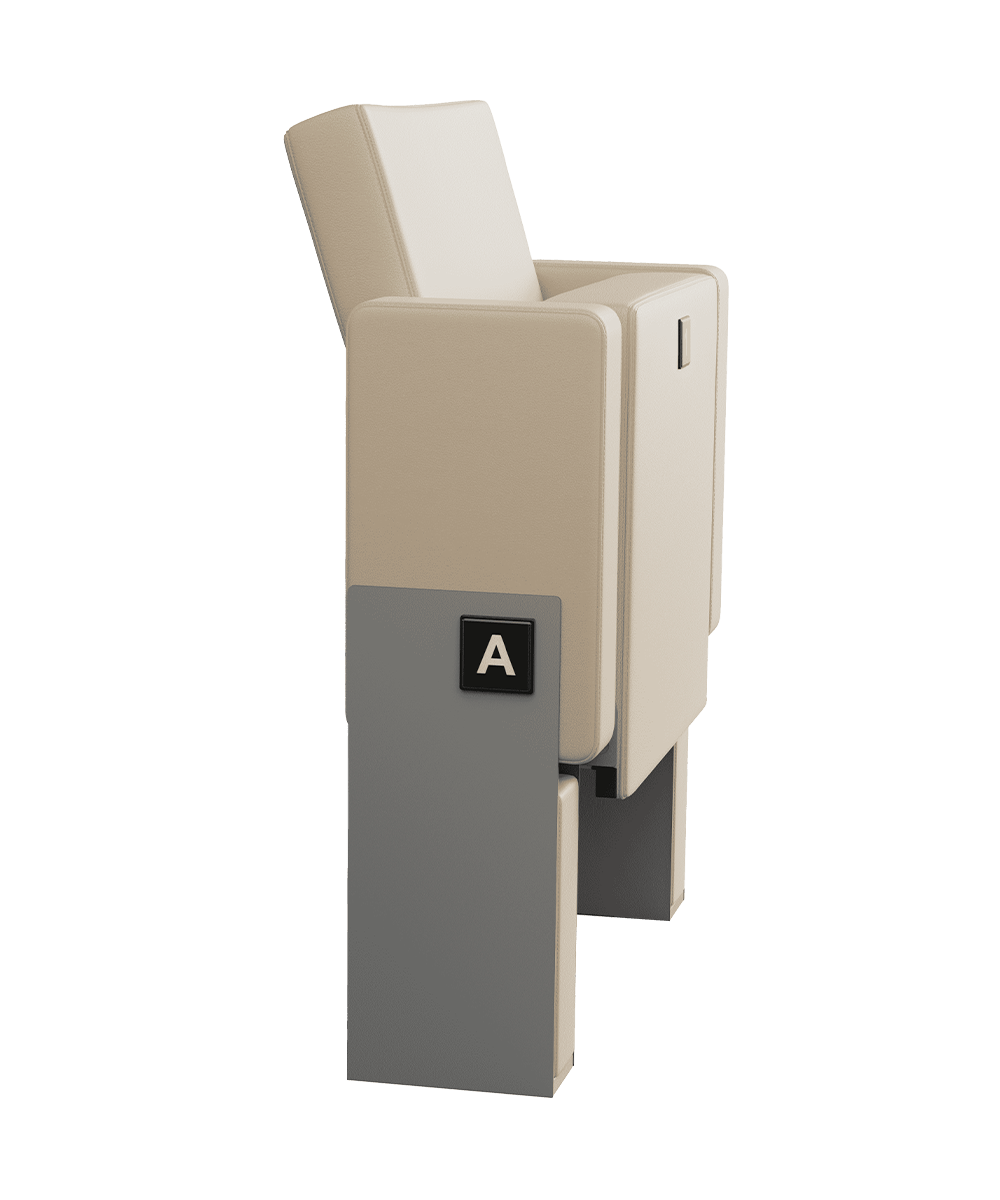
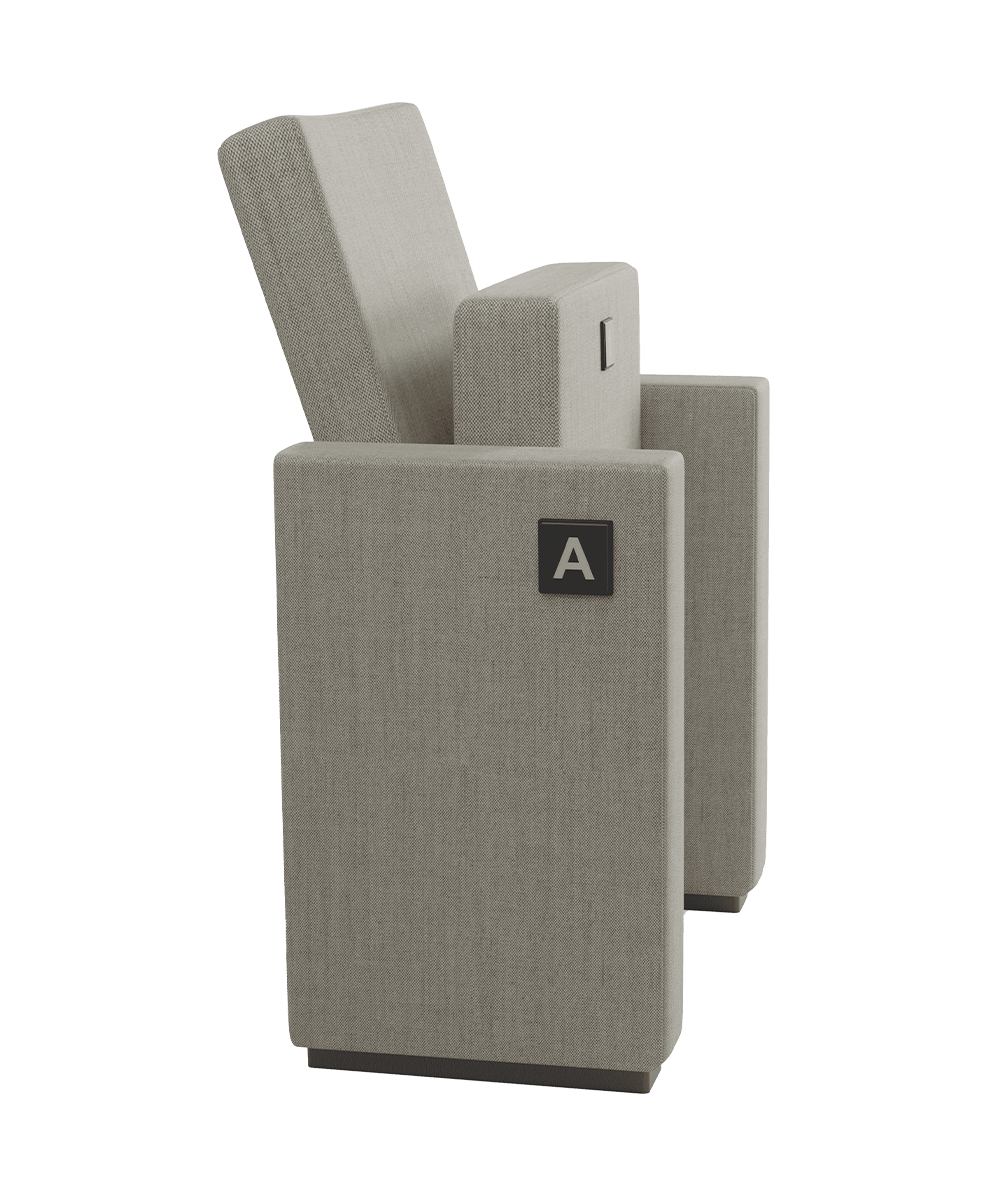
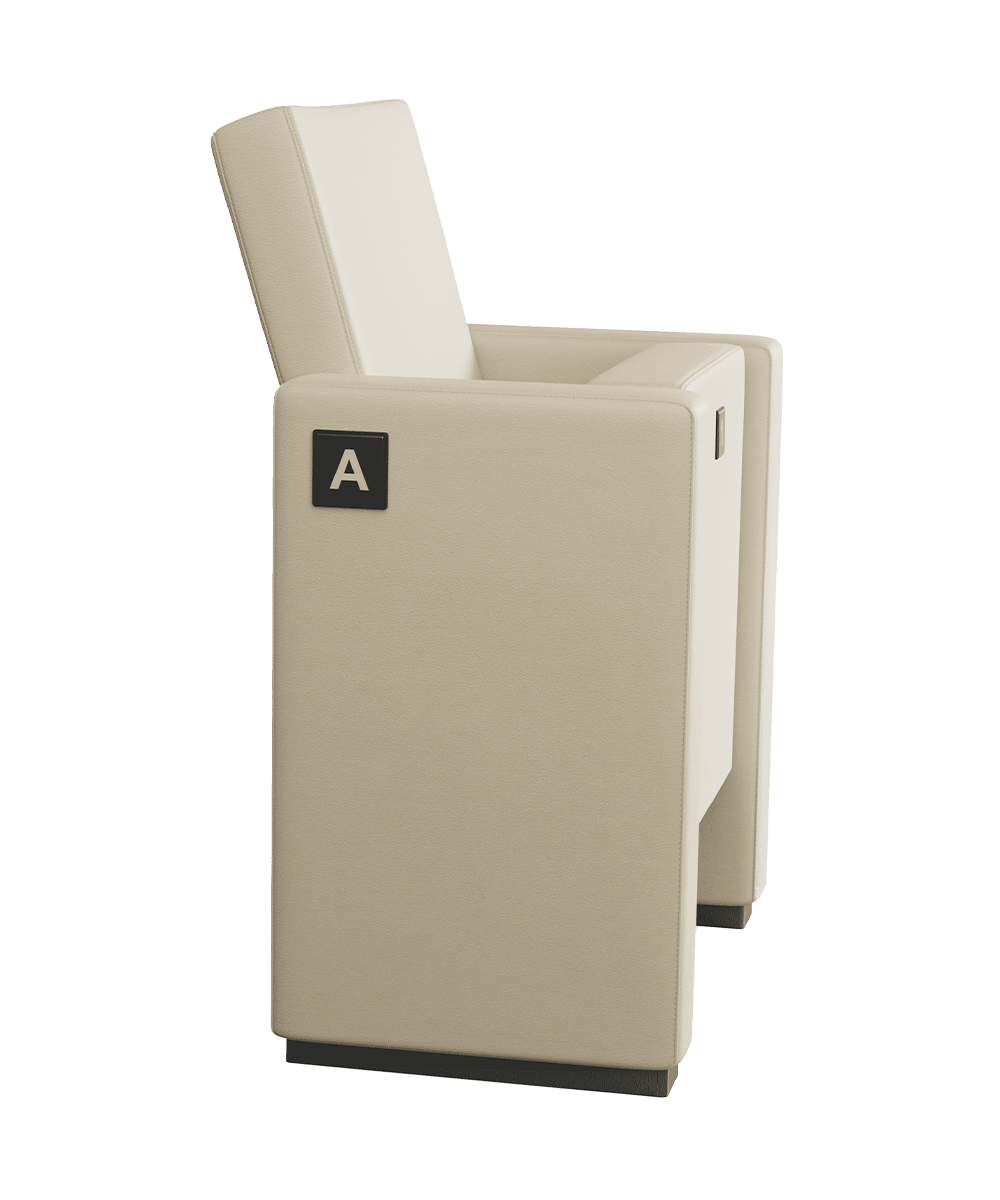
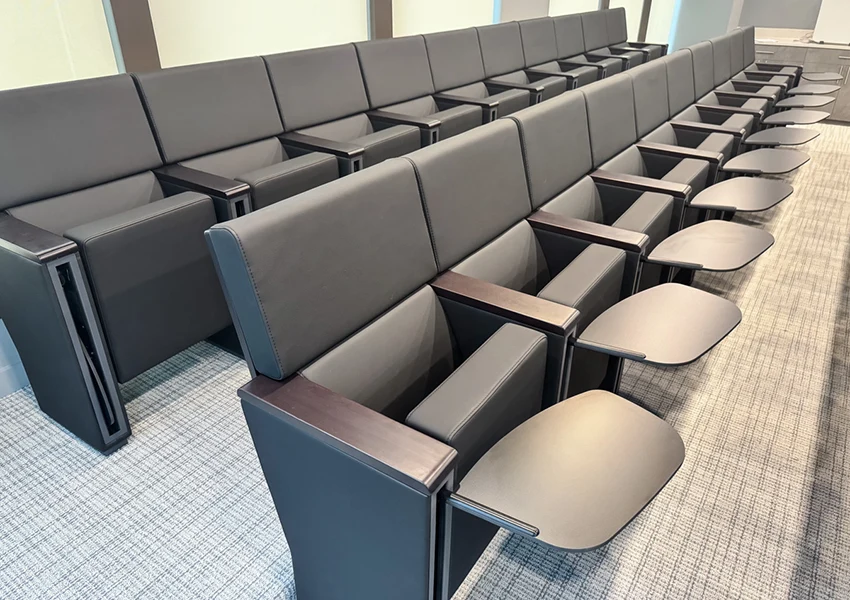
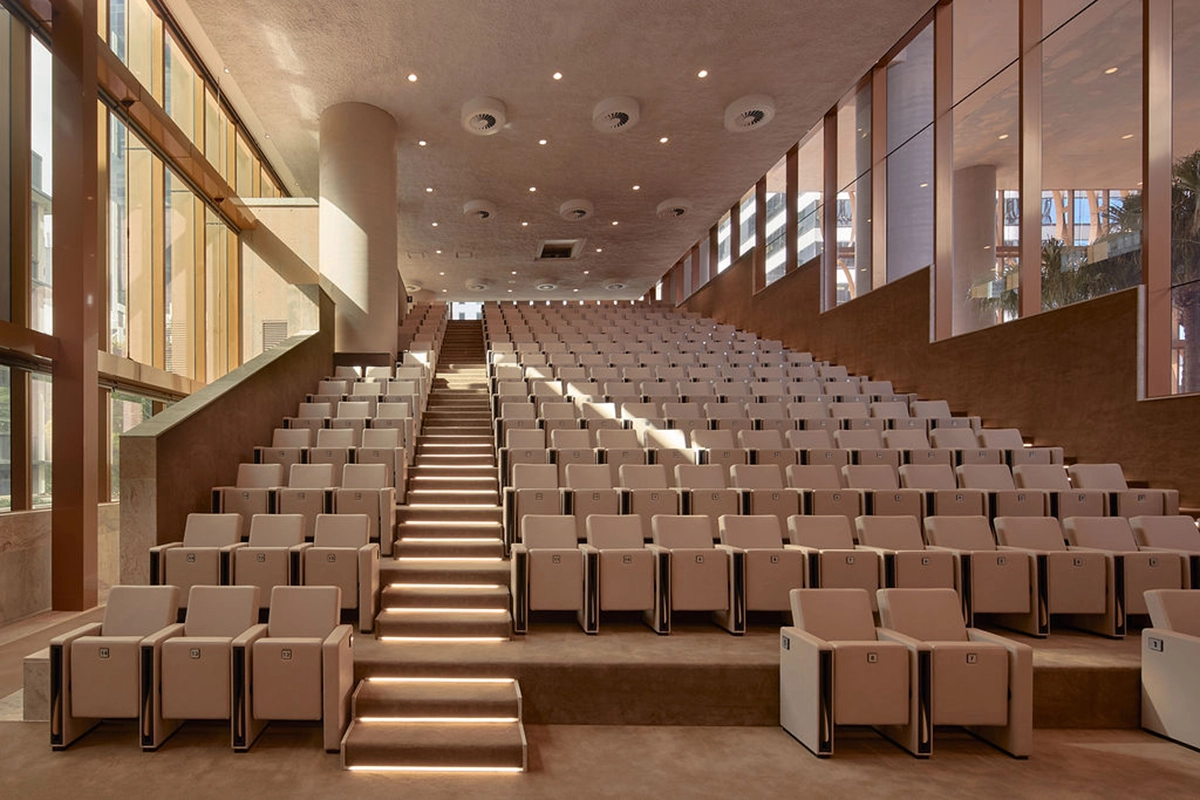
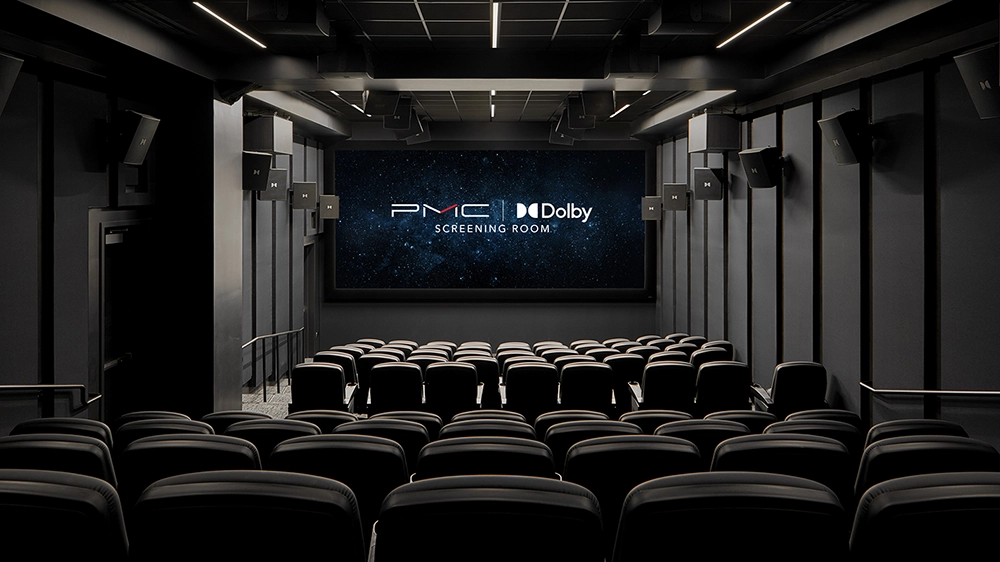
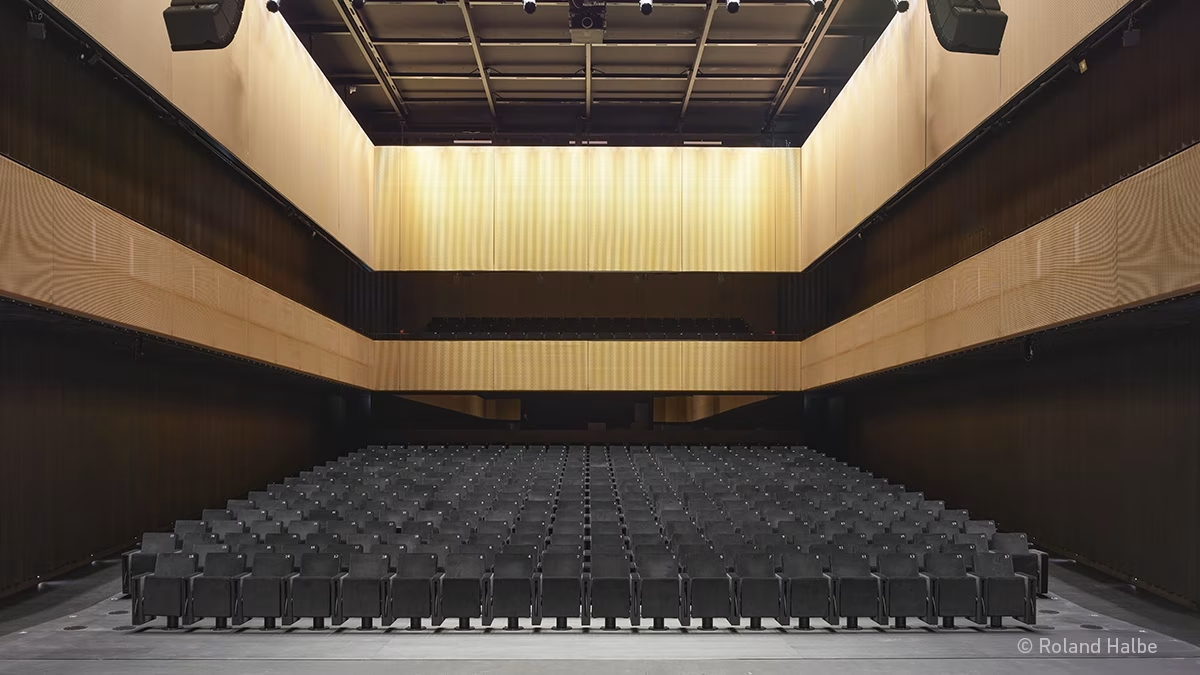
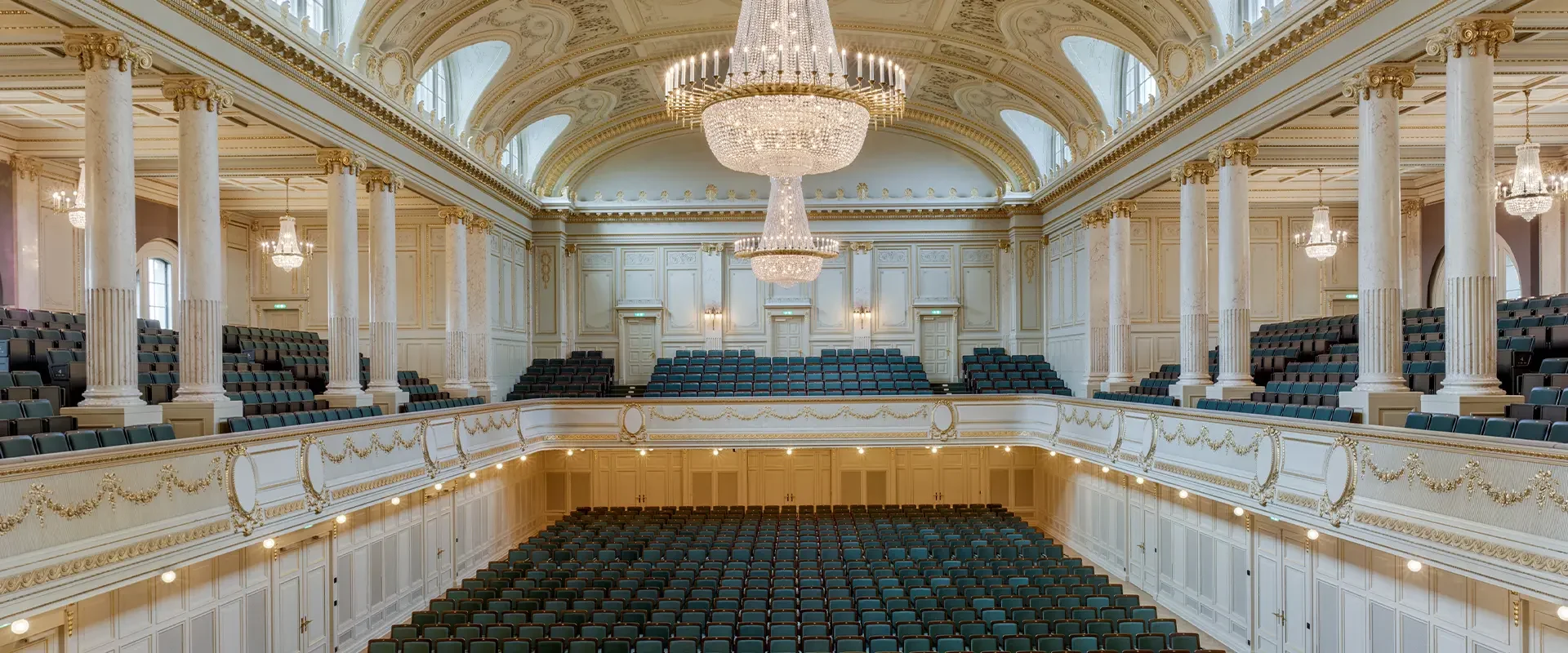
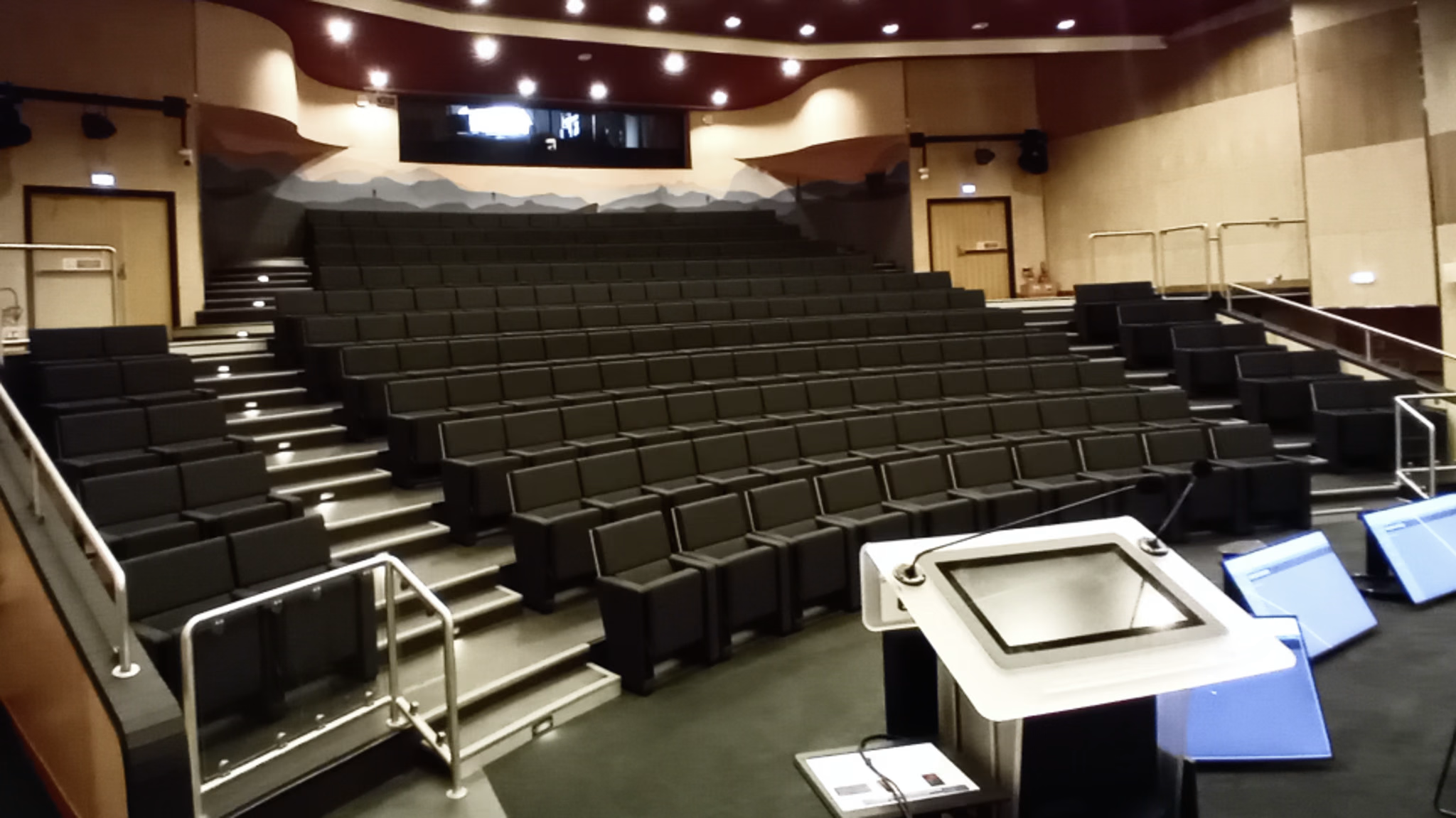
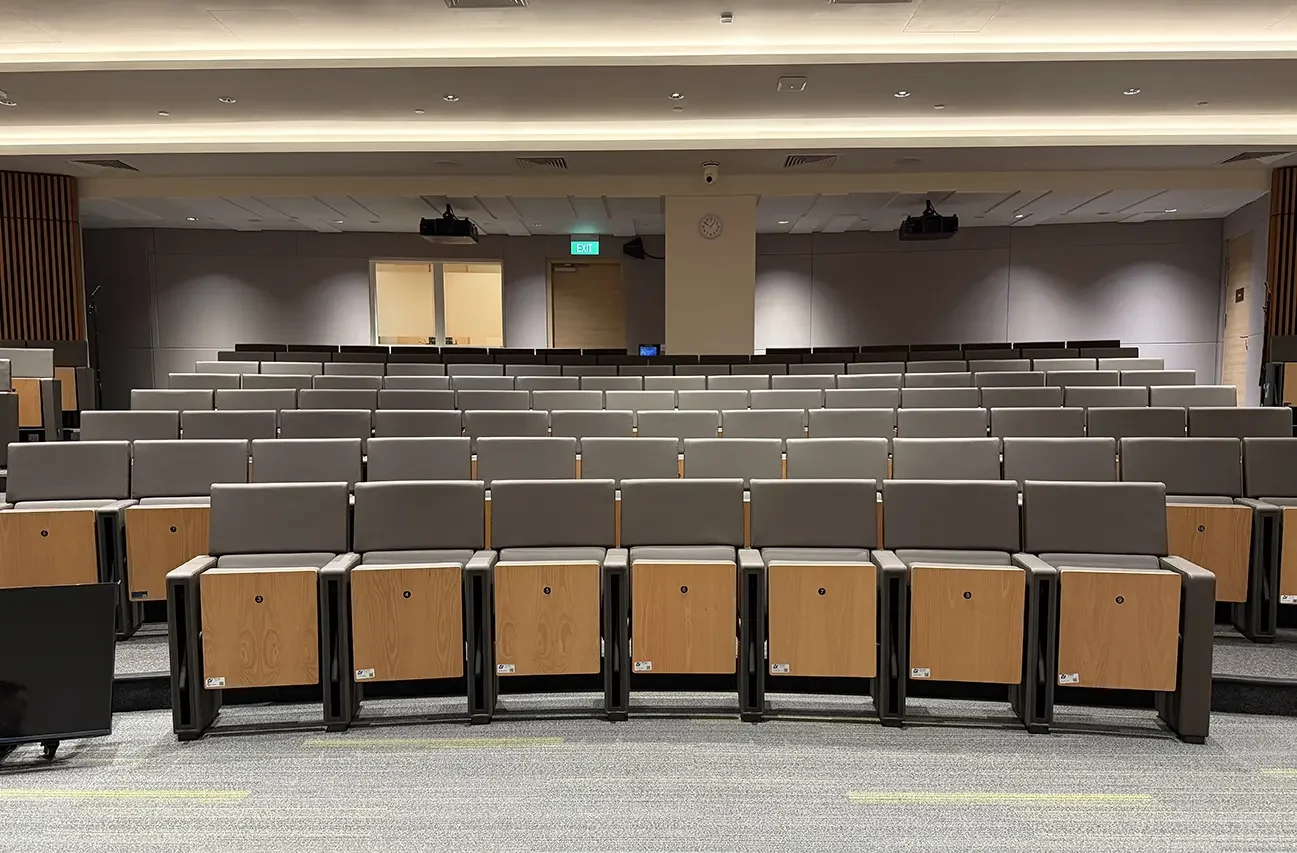
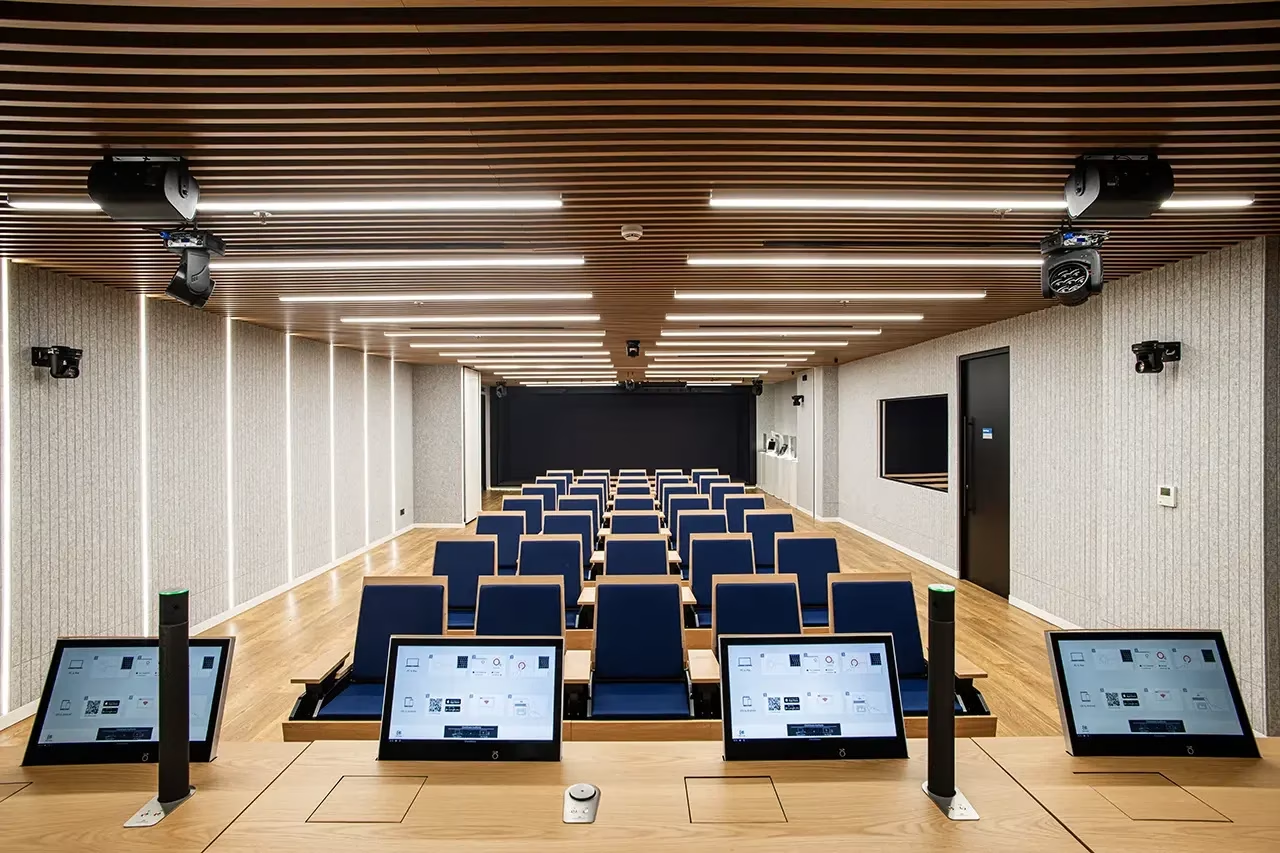
Figueras Seating plays a crucial role in outfitting public spaces like auditoriums, conference halls, and congress venues. Our seating solutions harmoniously integrate functionality with aesthetic finesse, catering to the unique dynamics of public gatherings. Recognizing that each chair is more than a mere seat, we design them as platforms for engagement, learning, and impactful decision-making.
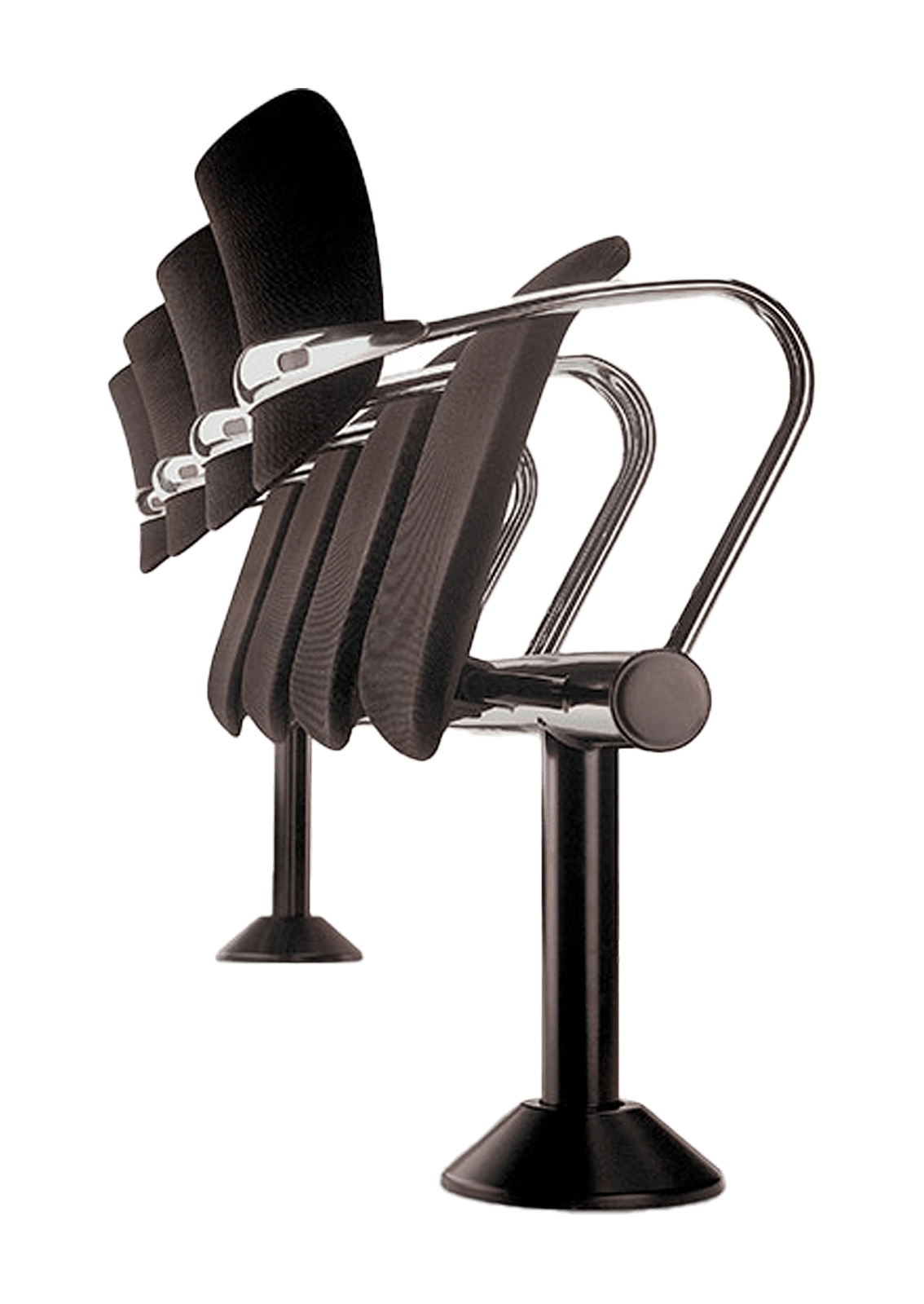
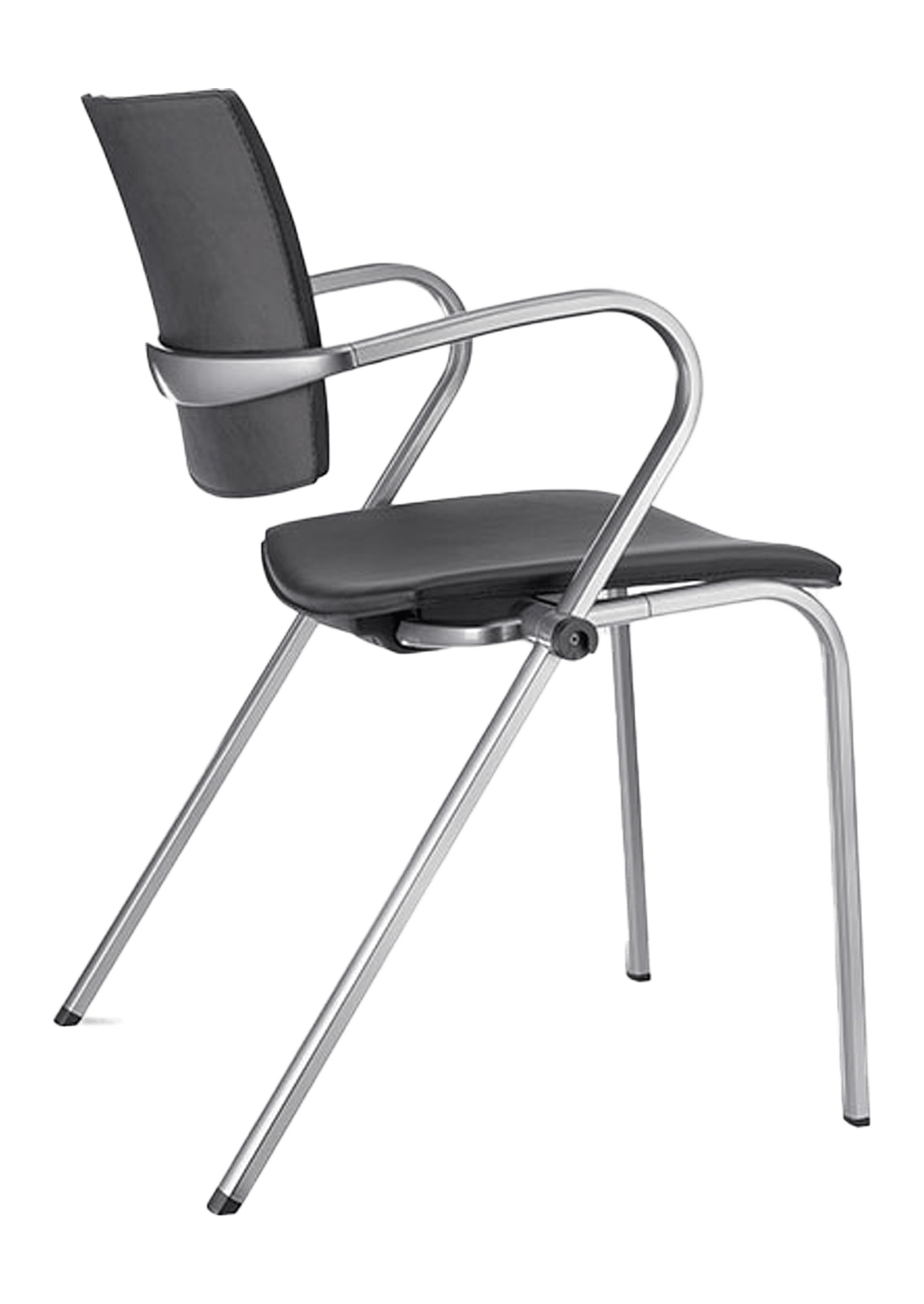
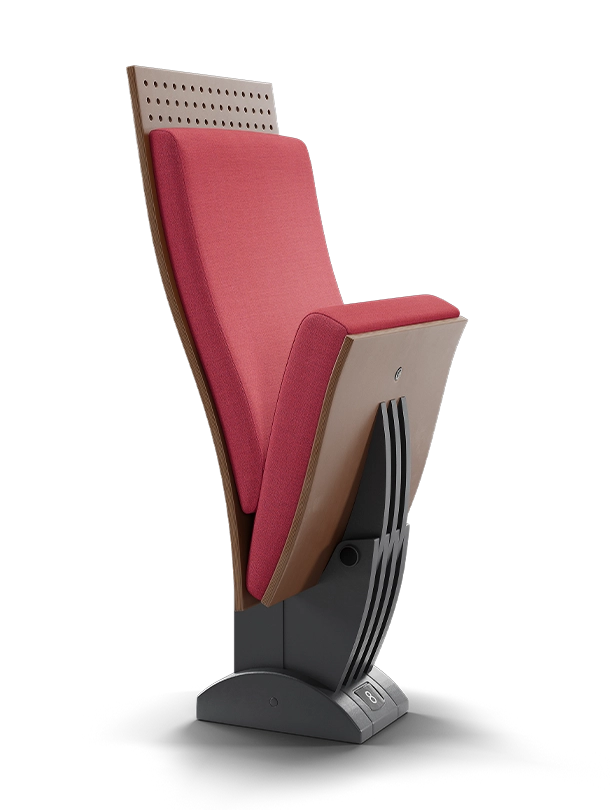
Tailored to enhance the experience of attendees, our designs ensure comfort for extended durations and foster active participation. Our seats are crafted to complement diverse architectural styles and spatial layouts making them ideal for spaces hosting significant events and discussions.
Innovation and excellence are at the heart of Figueras. Our seats not only fill a space; they create an environment encouraging idea exchanging and the forging of meaningful agreements. Each seat, embodying a balance of elegant design and impeccable functionality, stands as a witness to our dedication to improving spaces where people come together to share, learn, and create.
Take the first step,
request a quote today
PROJECTS
SEGMENTS
FAQs
What are the key requirements for seating in public buildings?
Public seating used in public buildings must respond to a wide range of users, usage patterns and operating conditions. Key requirements include durability under intensive use, ease of maintenance, compliance with accessibility and safety regulations, and comfort suitable for varied durations of stay.
Seat geometry, materials and finishes must also integrate with the physical characteristics of the space—such as layout, circulation and visibility—ensuring consistent performance while supporting the clarity and usability of the public environment.
How do seats adapt to multi-use public spaces?
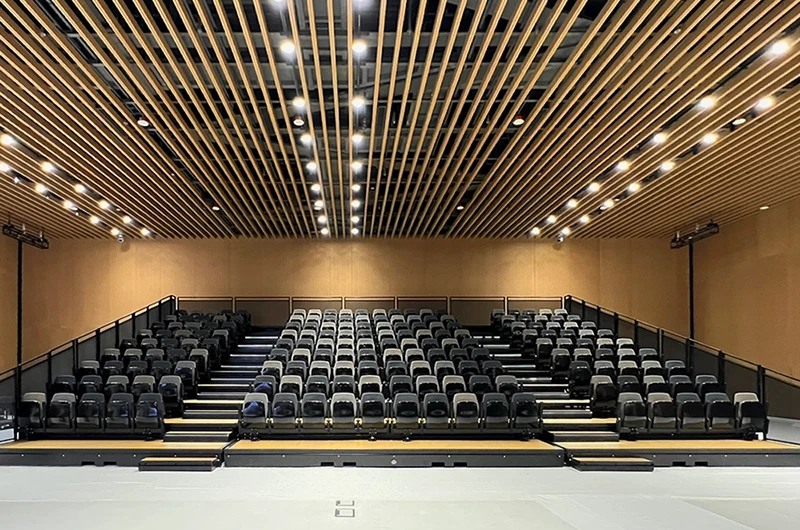
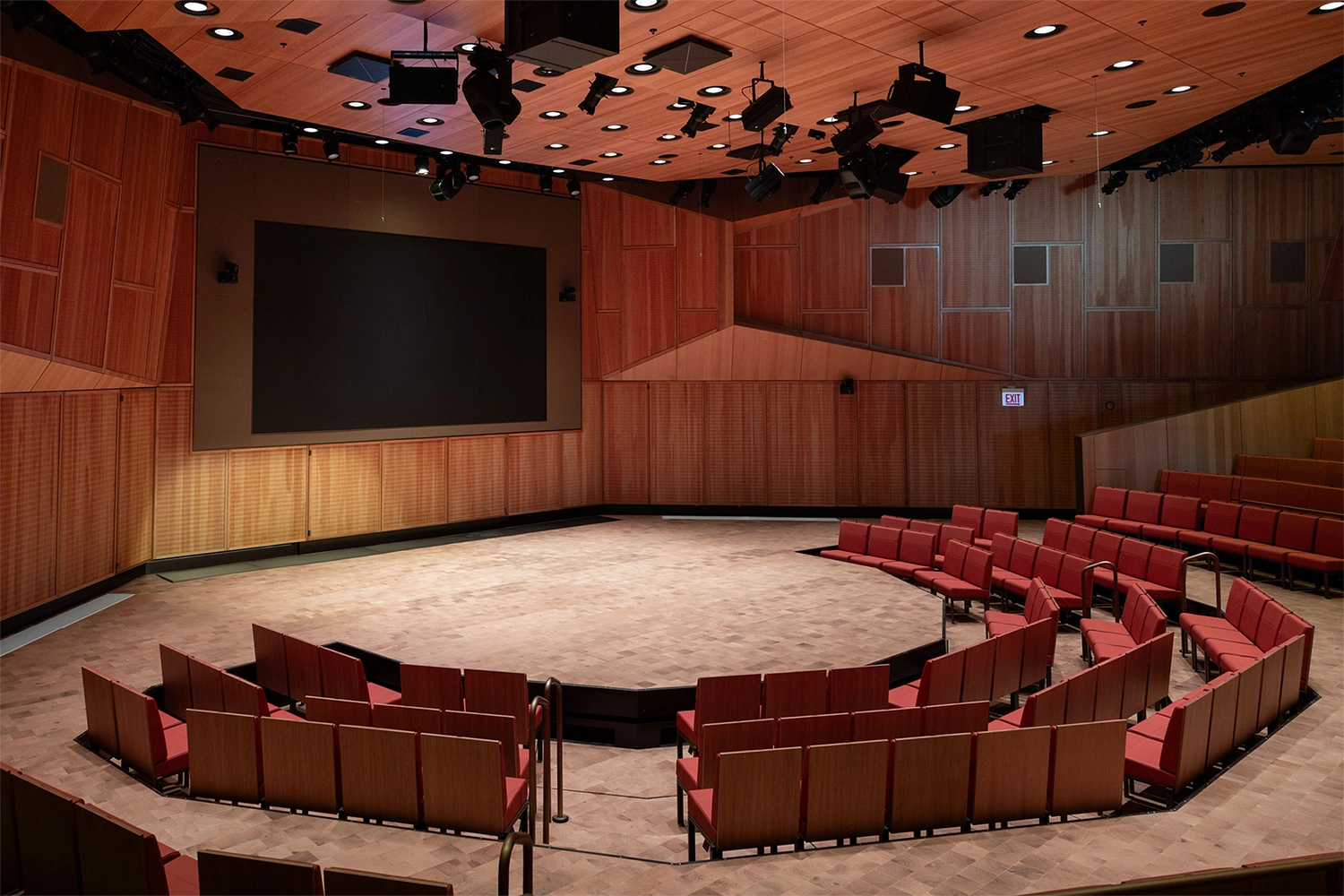
In multi-use public spaces, seating systems are designed to allow seats to be added, removed or reconfigured depending on the event or activity. This may involve fixed layouts combined with mobile or modular solutions, enabling different capacities and formats while maintaining consistent comfort, circulation and safety conditions. This flexibility is a key attribute of public seating systems in multi-use environments.
How do seats support accessibility in public buildings?
Seats support accessibility by being integrated into inclusive layouts that consider access routes, wheelchair positions, companion seating and clear circulation paths. Accessibility requirements are addressed at seat level and layout level, ensuring that public spaces remain usable, safe and inclusive for all users. These considerations are fundamental in public seating and auditorium seating layouts.
How do seats affect circulation and crowd flow?
Public seating layout, including seat spacing, aisle distribution and access points directly influence how people enter, move through and exit a public venue. Well-defined seating layouts help manage crowd flow efficiently, support evacuation requirements and maintain safe movement while preserving comfort and usability across the seating area. This is especially relevant in auditorium seating with high occupancy levels.
What durability requirements apply to seats in public venues?
Public seating must withstand intensive use, high footfall and frequent turnover. Materials, fixings and finishes are selected to resist wear, impact and repeated use, while maintaining functional and visual performance. Durability also affects how individual seats age over time, making construction quality and material choice critical to ensuring consistent performance across the entire seating area.
What types of finishes and materials are suitable for public seating?
Public seating can incorporate a wide range of finishes and materials selected according to durability, maintenance requirements, aesthetics and suitability for the intended use. Options may include different upholstery types, surface textures and structural materials, always defined in relation to usage intensity, cleaning protocols and architectural context. This selection process is particularly important in auditorium seating and other public seating areas subject to intensive use.
How do seat design and finishes affect maintenance and long-term performance?
Seat design decisions have a direct impact on maintenance requirements and long-term performance. Material selection, finishes, component accessibility and construction logic influence cleaning processes, resistance to wear and overall durability. Selecting finishes appropriate to the intensity of use, together with designs that facilitate access to components, helps reduce maintenance effort, improve operational efficiency and extend the service life of seats in public environments. This approach helps extend the service life of public seating in demanding environments.
When should seating be defined in public building projects?
Seating should be defined from the early stages of a public building project, as seat dimensions, layout and fixing systems directly affect circulation, accessibility and technical coordination. Early definition allows seating to be properly integrated into the architectural and operational strategy, reducing constraints and revisions later in the process. Early definition is especially important in public seating and auditorium seating projects.
Can seating solutions evolve with changing public uses?
Yes. Seating solutions can be designed to evolve with changing functional needs, audience profiles and event formats. Adaptable seating systems allow public buildings to remain operationally flexible over time without requiring major structural interventions. This ensures long-term relevance of public seating systems.
How does seat design support long-term public use?
Public seating design supports long-term public use by prioritising robust construction, replaceable components and finishes suited to intensive wear. A lifecycle-oriented approach helps extend the service life of individual seats, reduce maintenance interventions and ensure consistent performance throughout the operational lifespan of the building.
How do seats balance functionality and user comfort in public spaces?
The balance between functionality and comfort is achieved through careful definition of seat geometry, spacing and support features. This ensures that individual seats remain comfortable for a wide range of users while allowing efficient circulation, capacity management and compliance with public safety requirements. This balance is essential in auditorium seating and public seating environments.
How do mobile seating systems support public venues with multiple uses?
Movable seating systems allow public venues to adjust seating layouts and capacities according to different events and operational needs. By enabling seats to be reconfigured or cleared when required, these systems support flexible programming while maintaining accessibility, circulation and safety conditions in dynamic public environments. Mobile solutions enhance the versatility of public seating strategies in multi-use venues.