E
Education
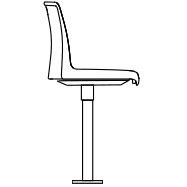
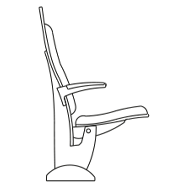
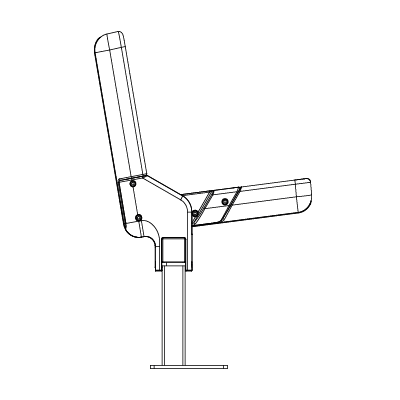
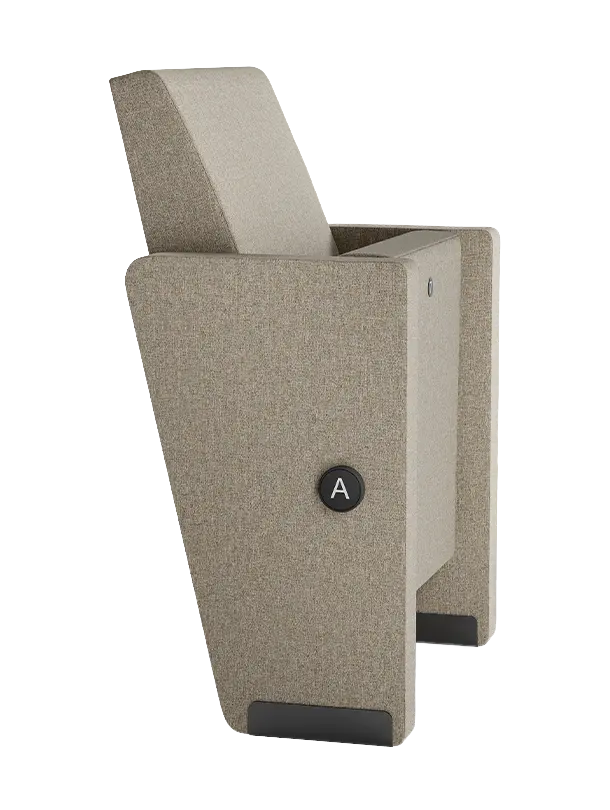
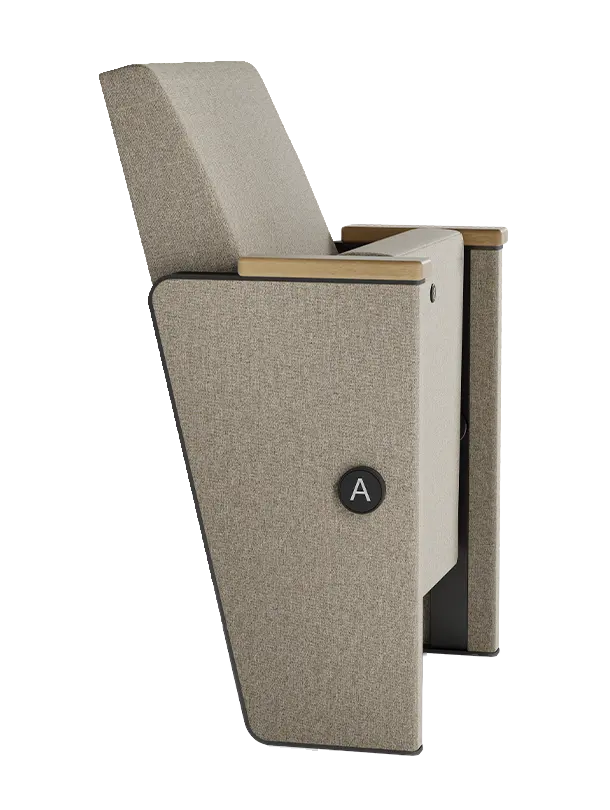
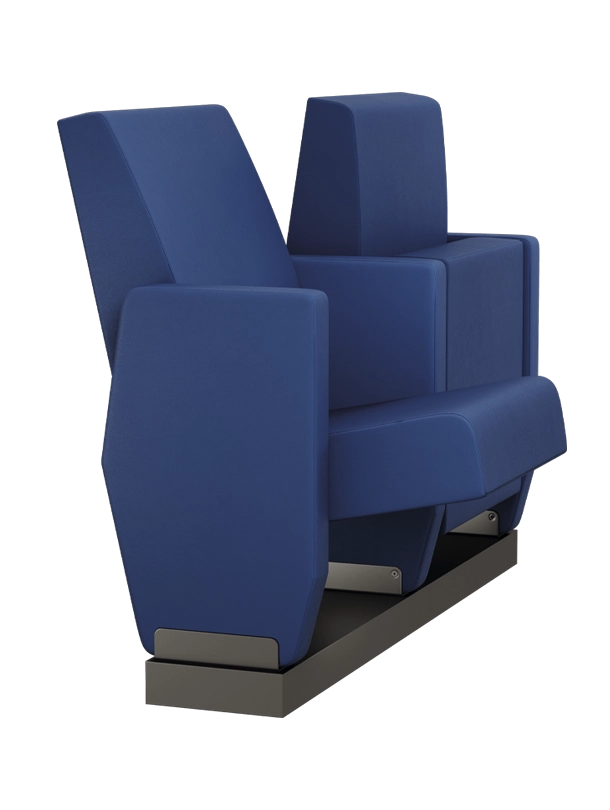
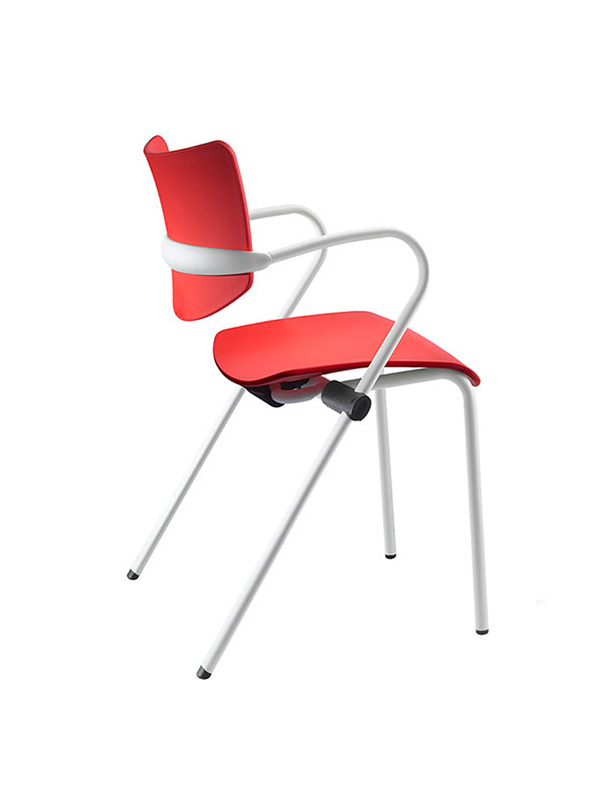
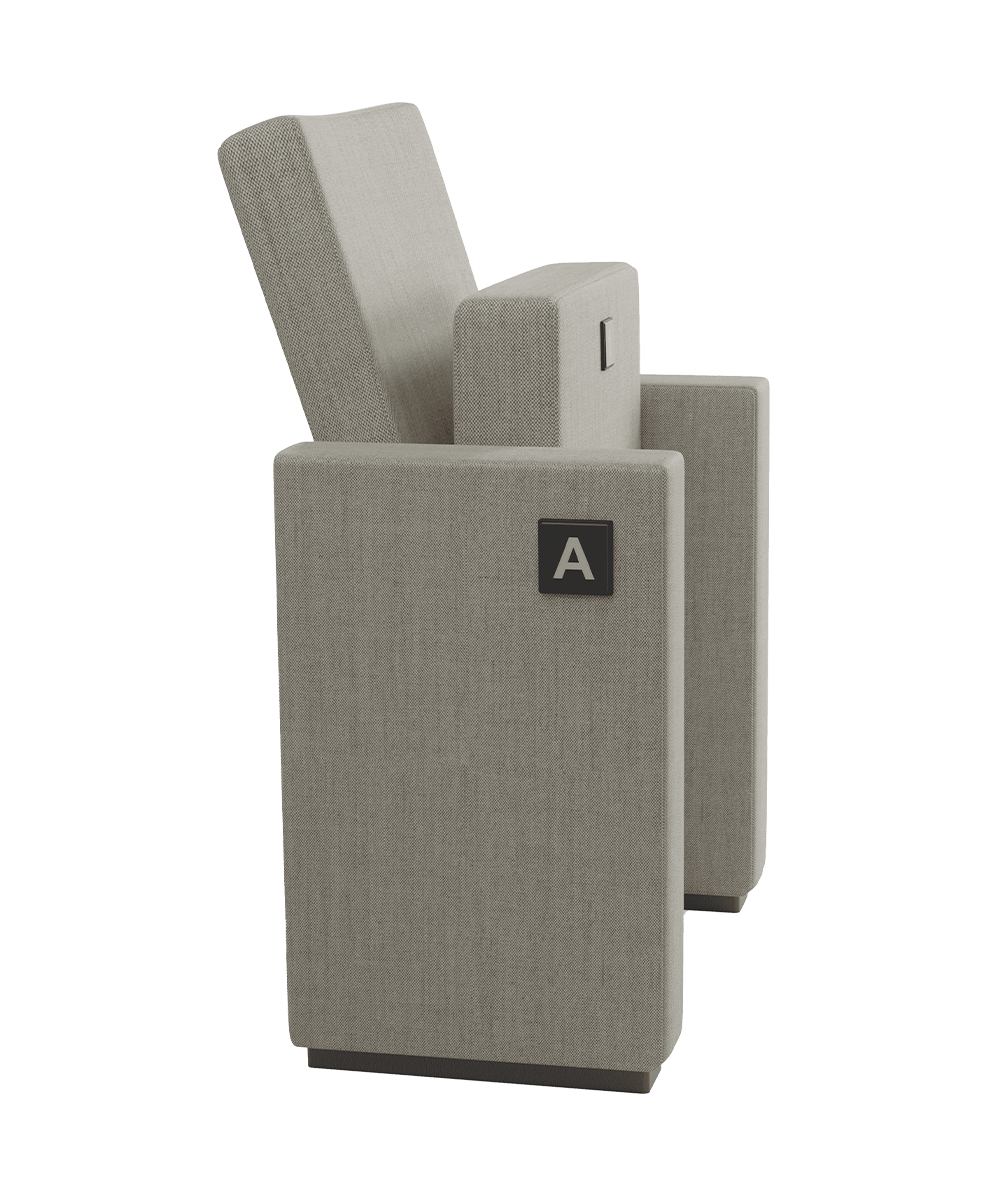
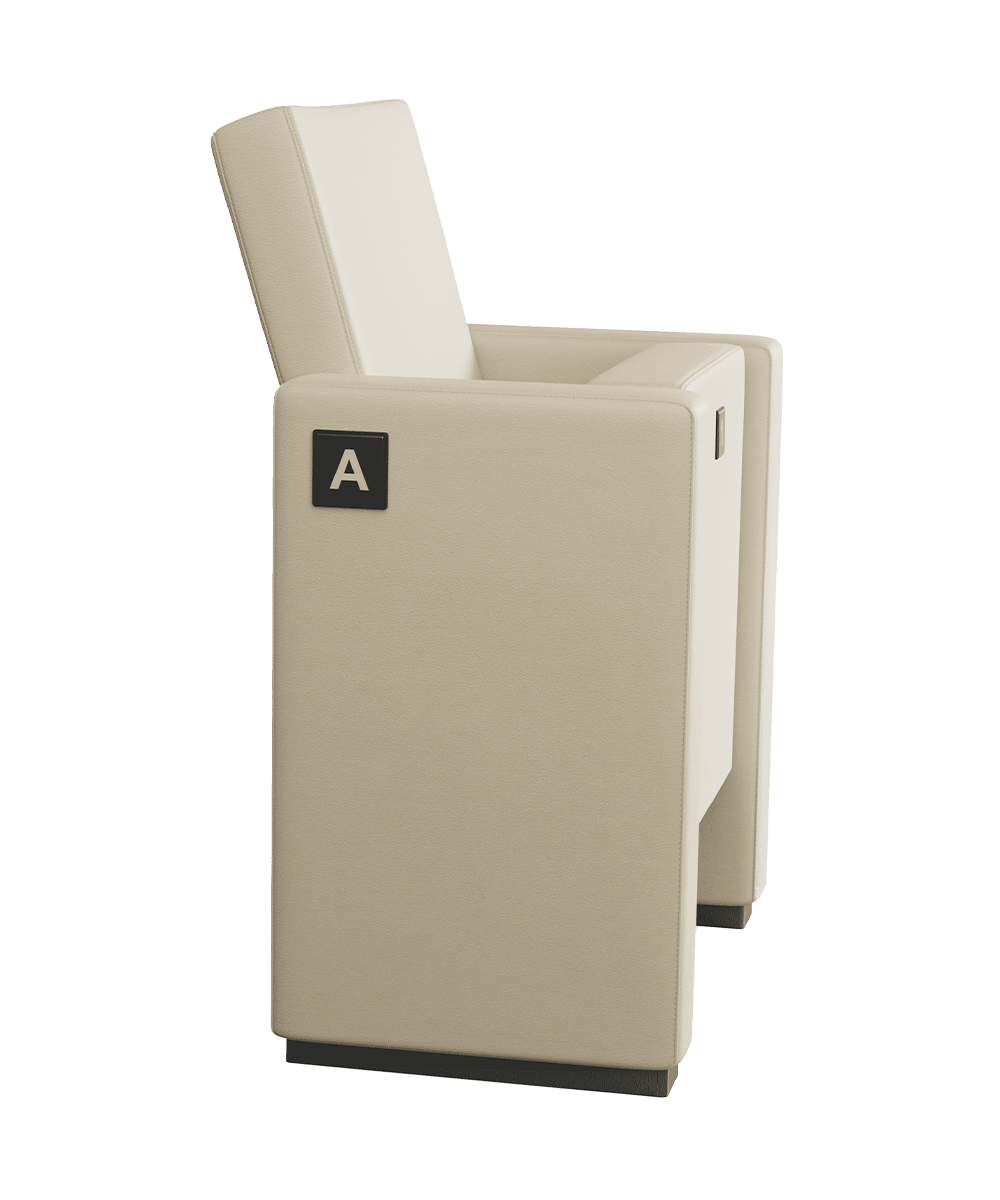
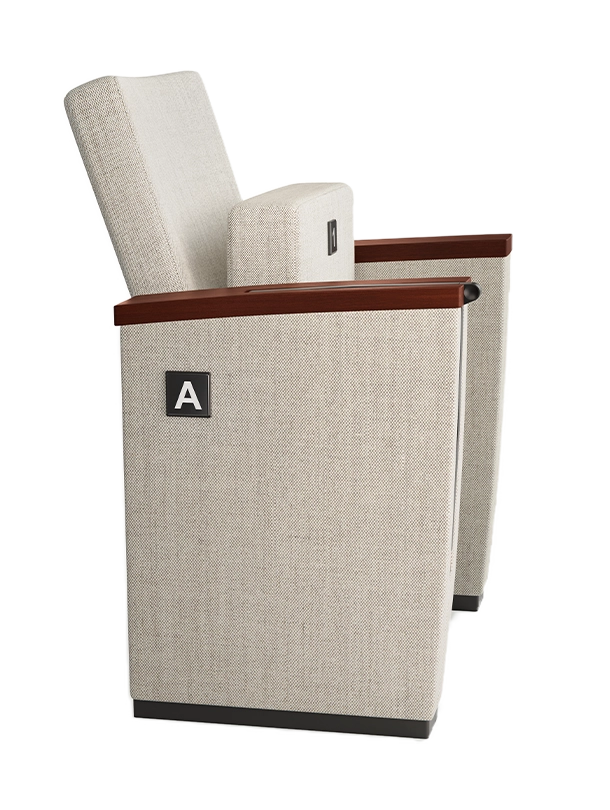
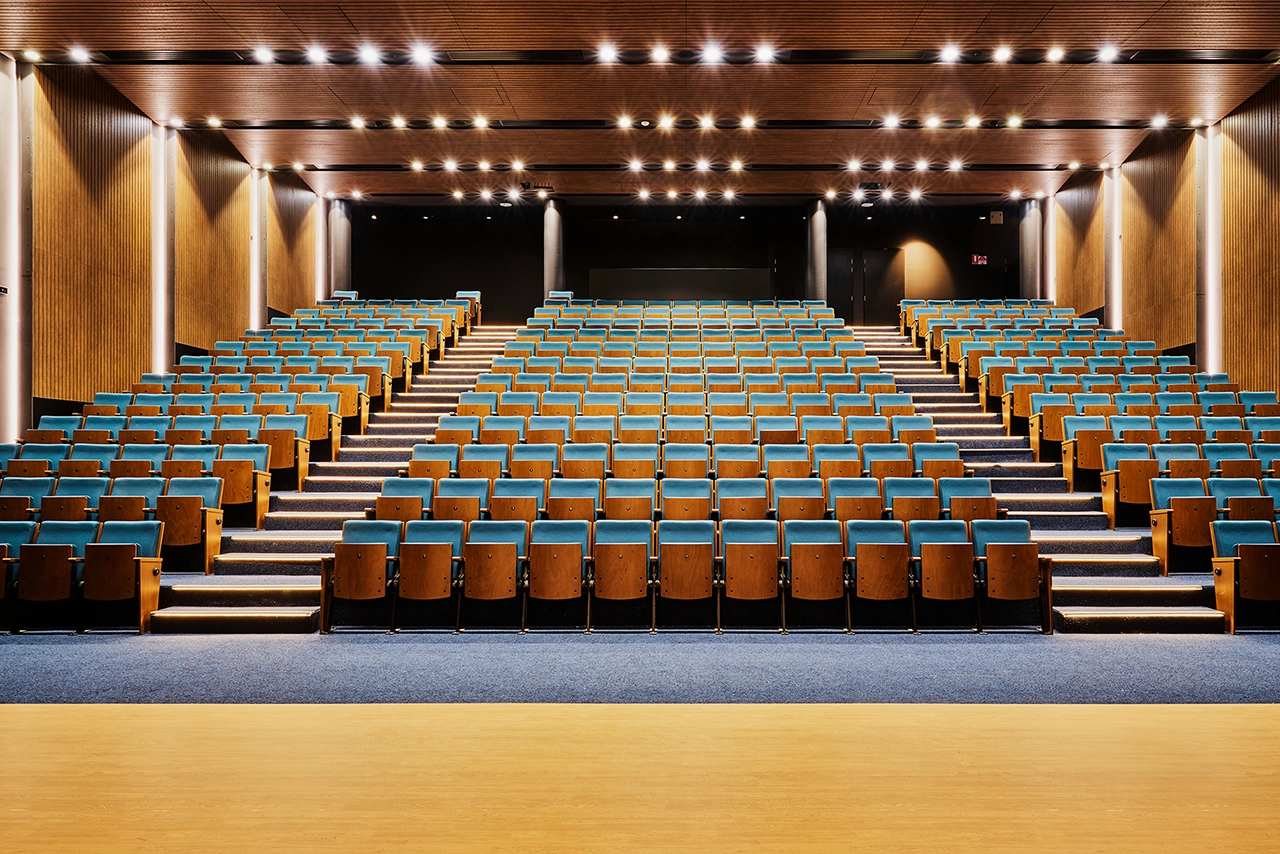
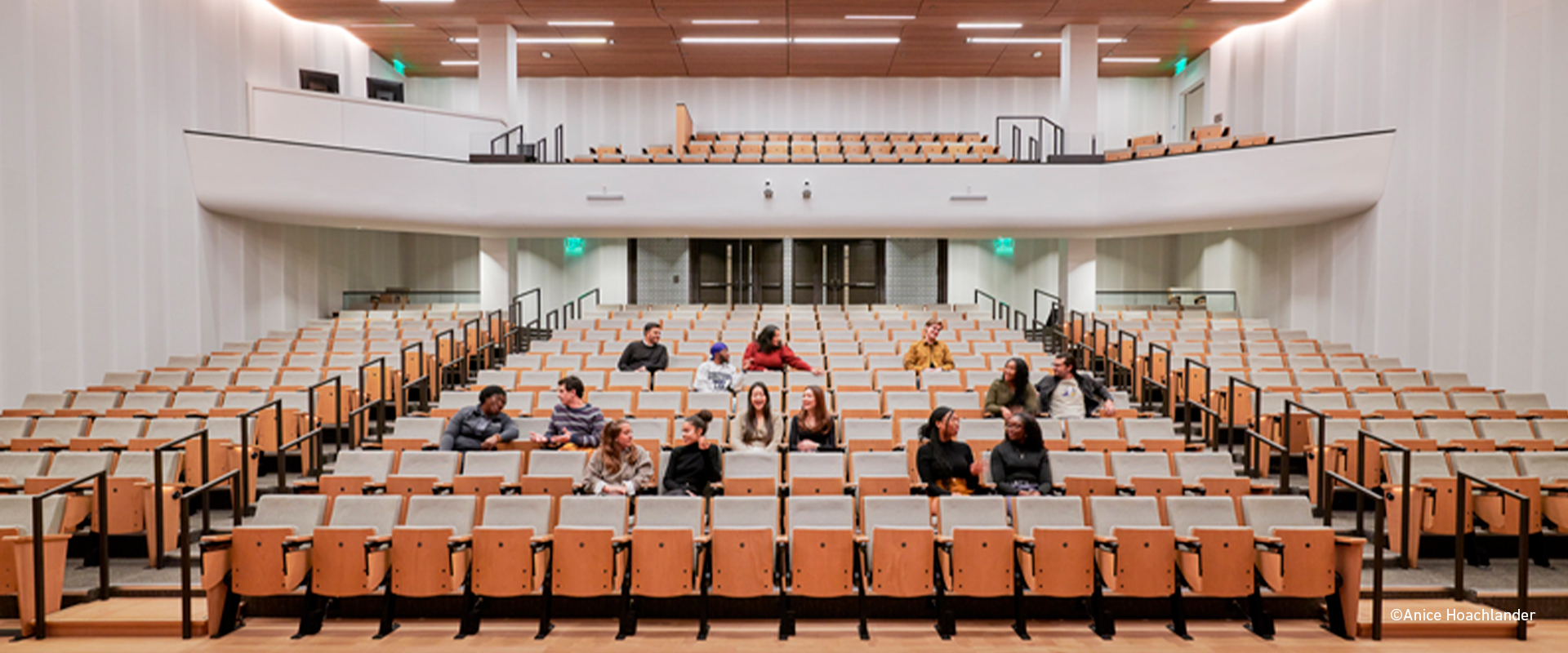
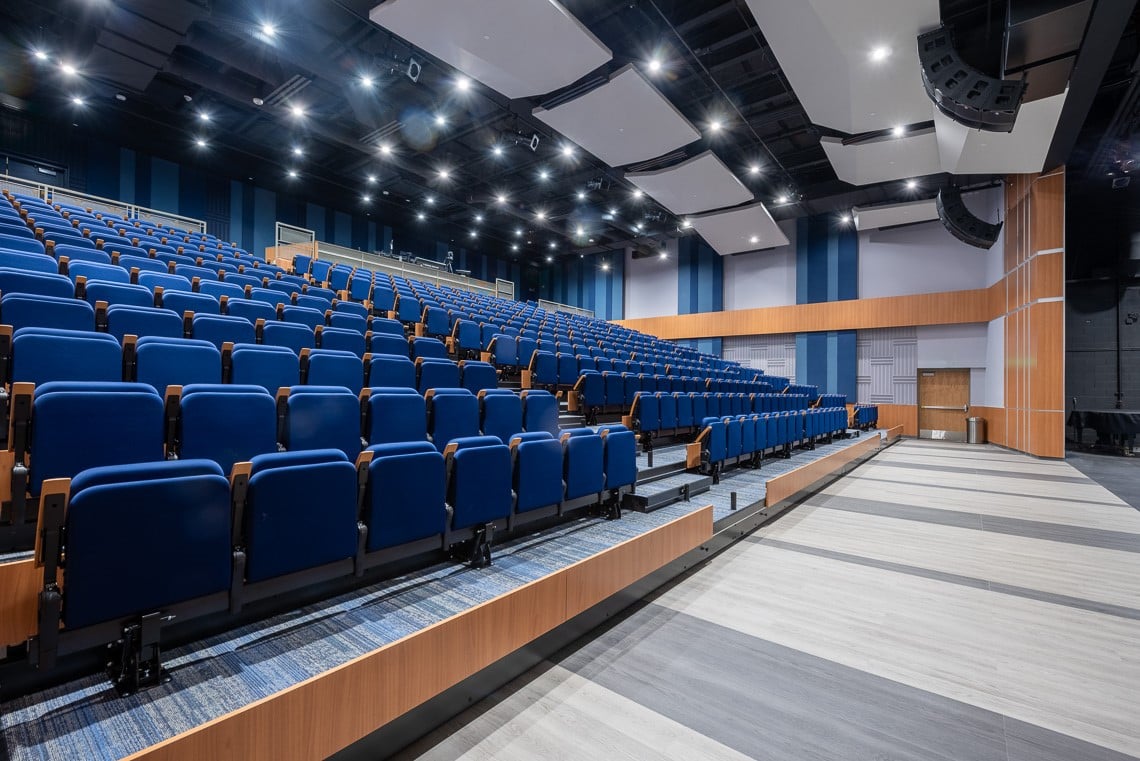
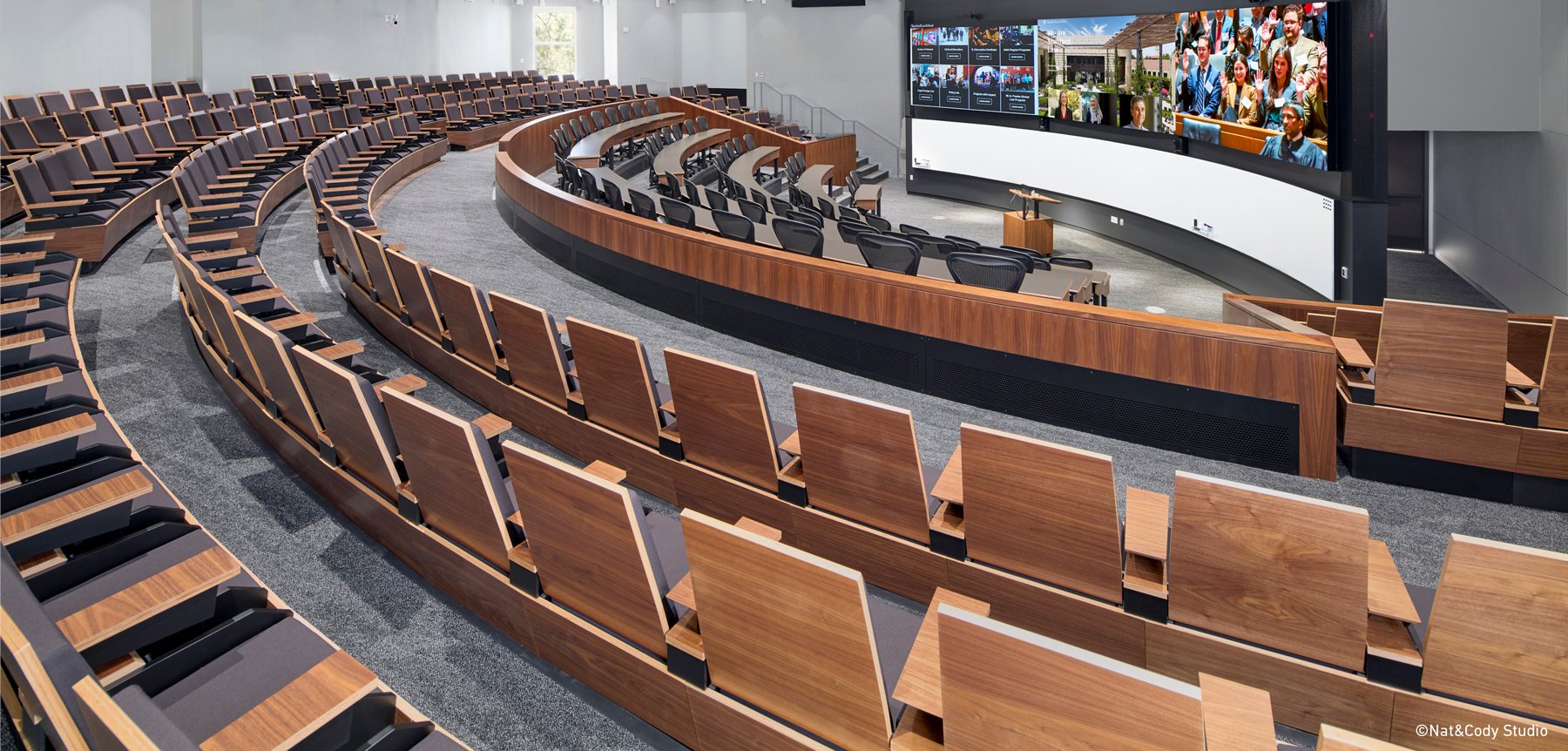
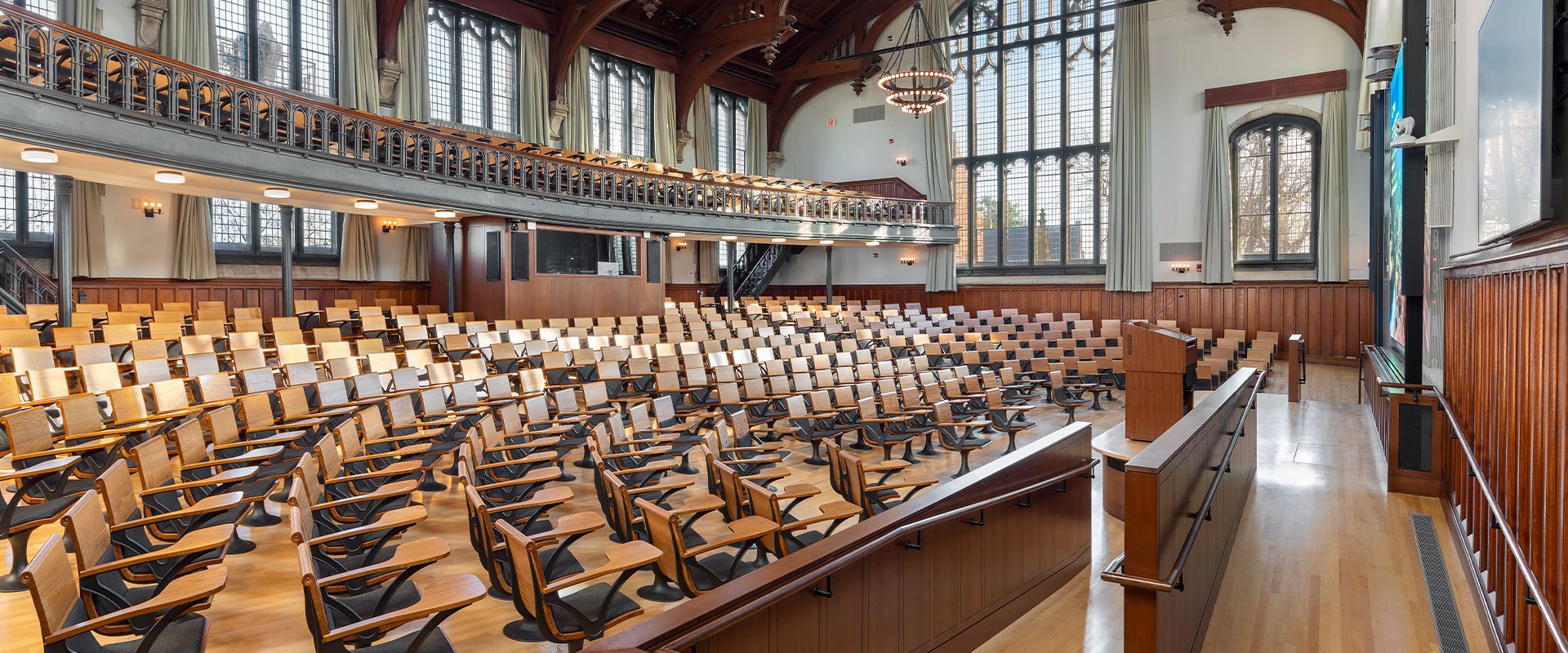
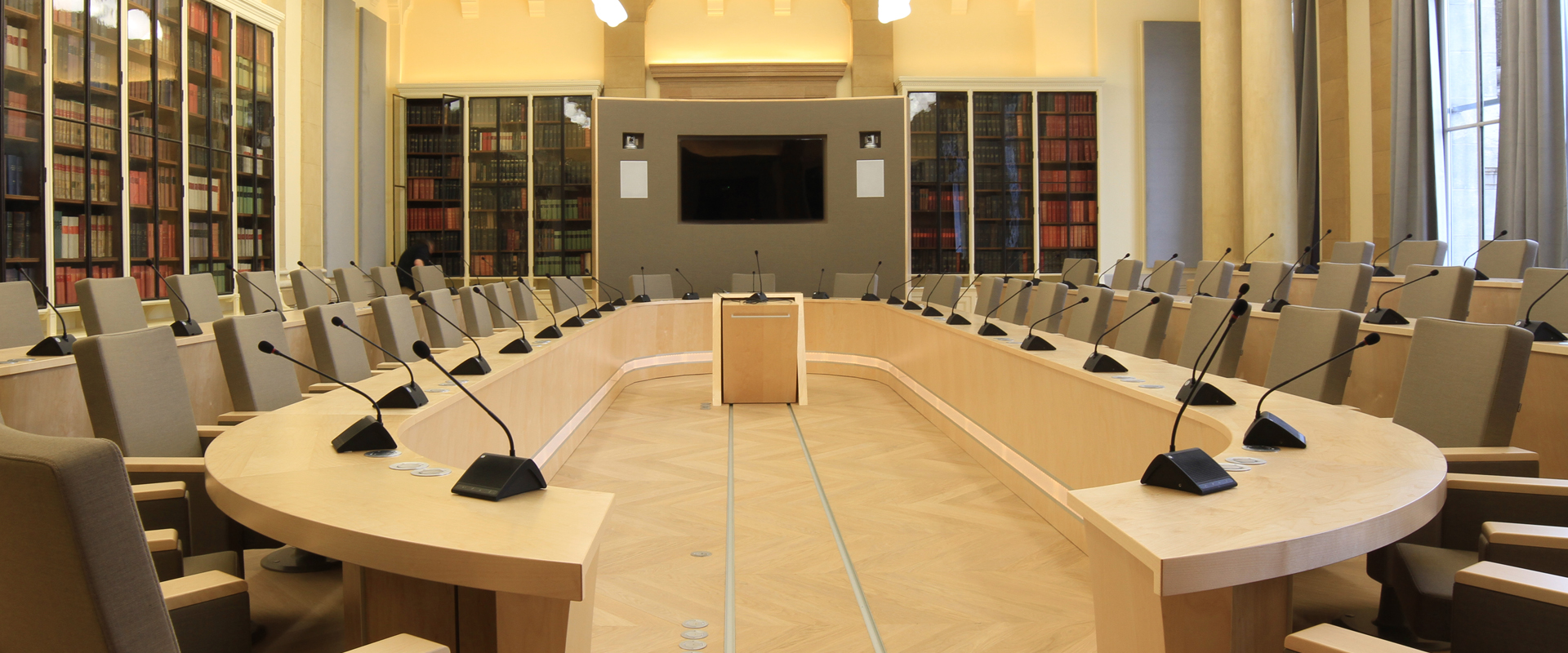
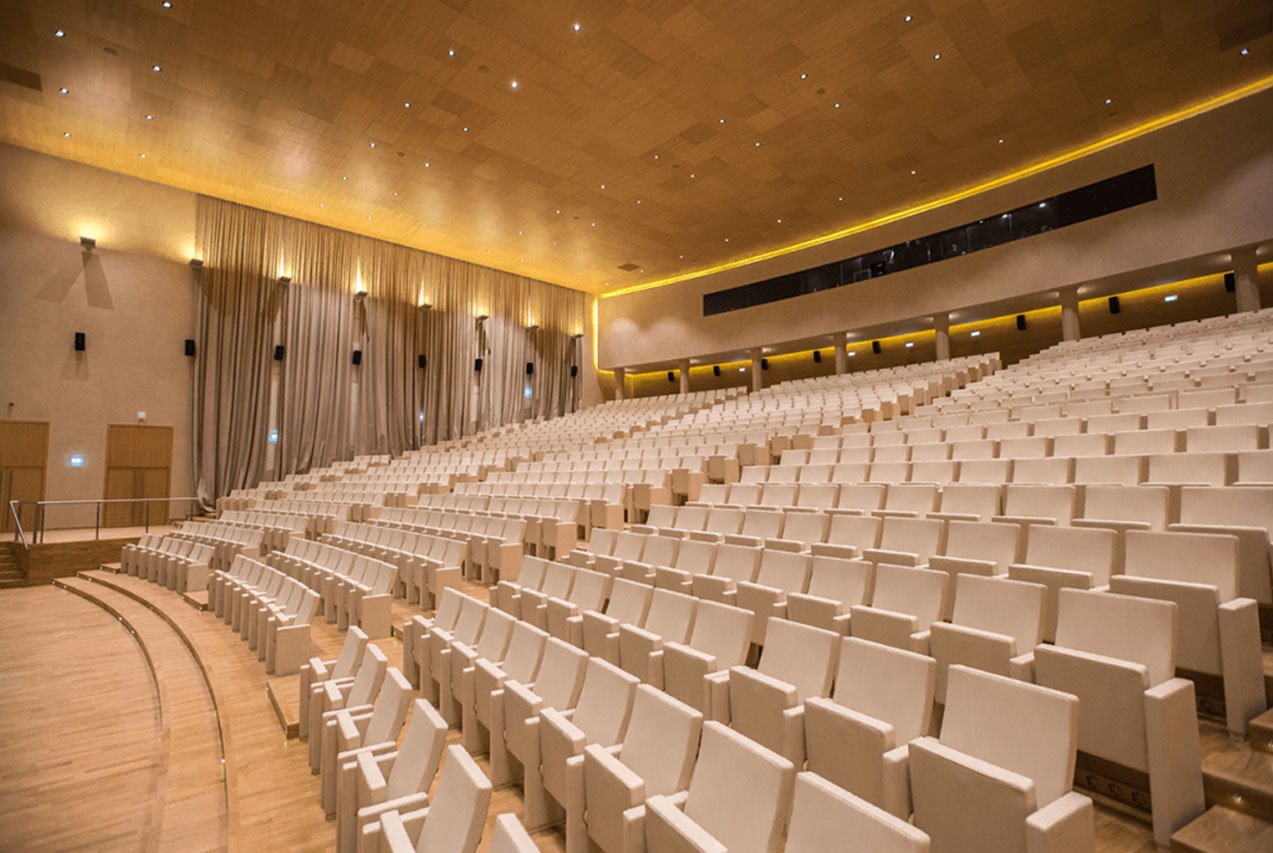
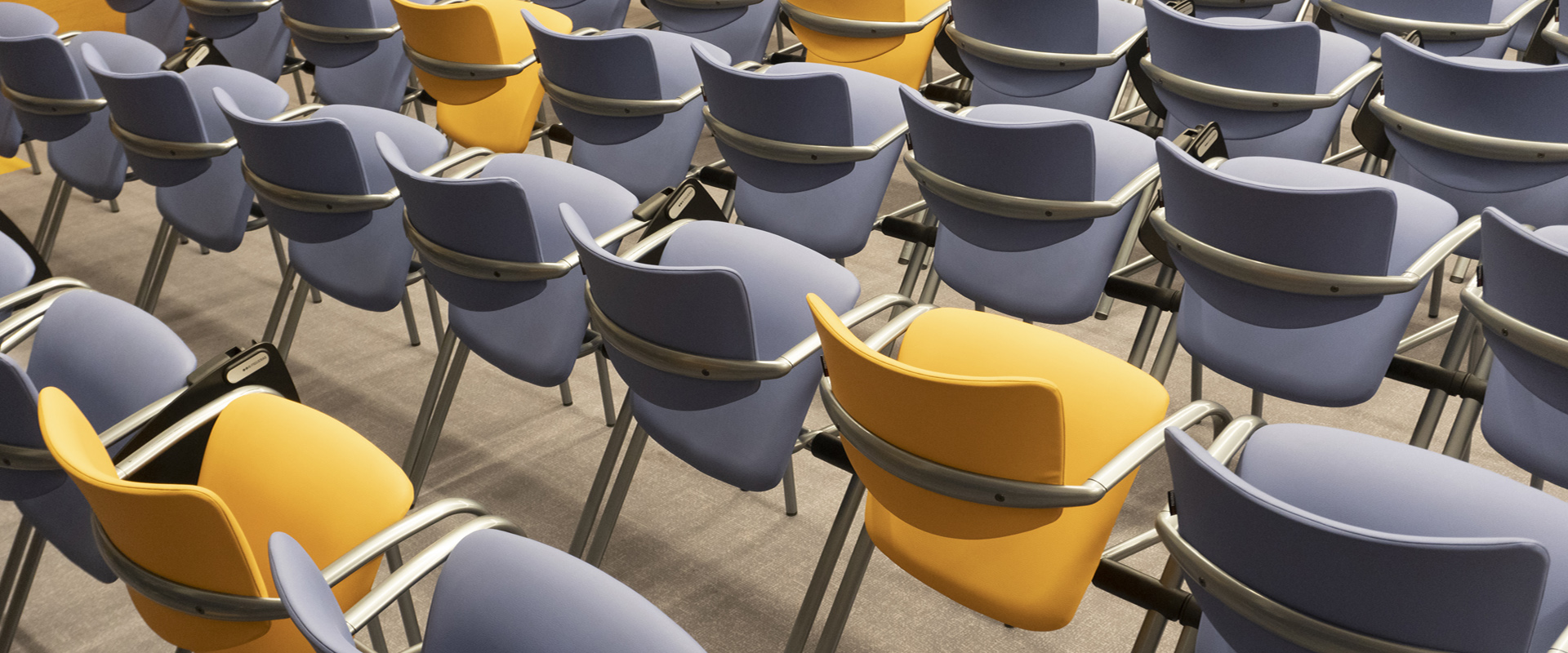
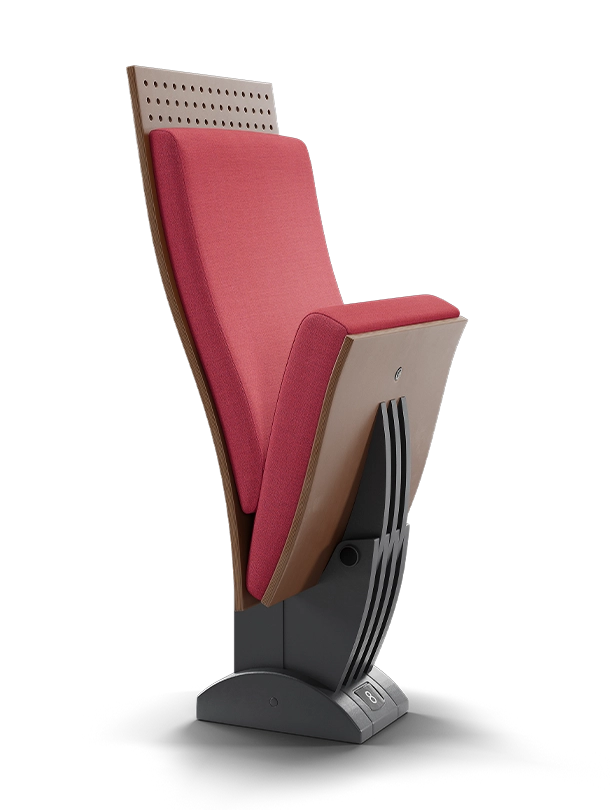
Figueras Seating has revolutionized the academic landscape, delivering custom-designed, innovative seating solutions to prestigious schools and universities worldwide. Our expertise lies in creating environments that foster interaction, concentration, and academic excellence. Each project is proof of our commitment to ergonomics, flexibility, durability, and safety, ensuring that our seating solutions not only meet but exceed the specific needs of educational centres.
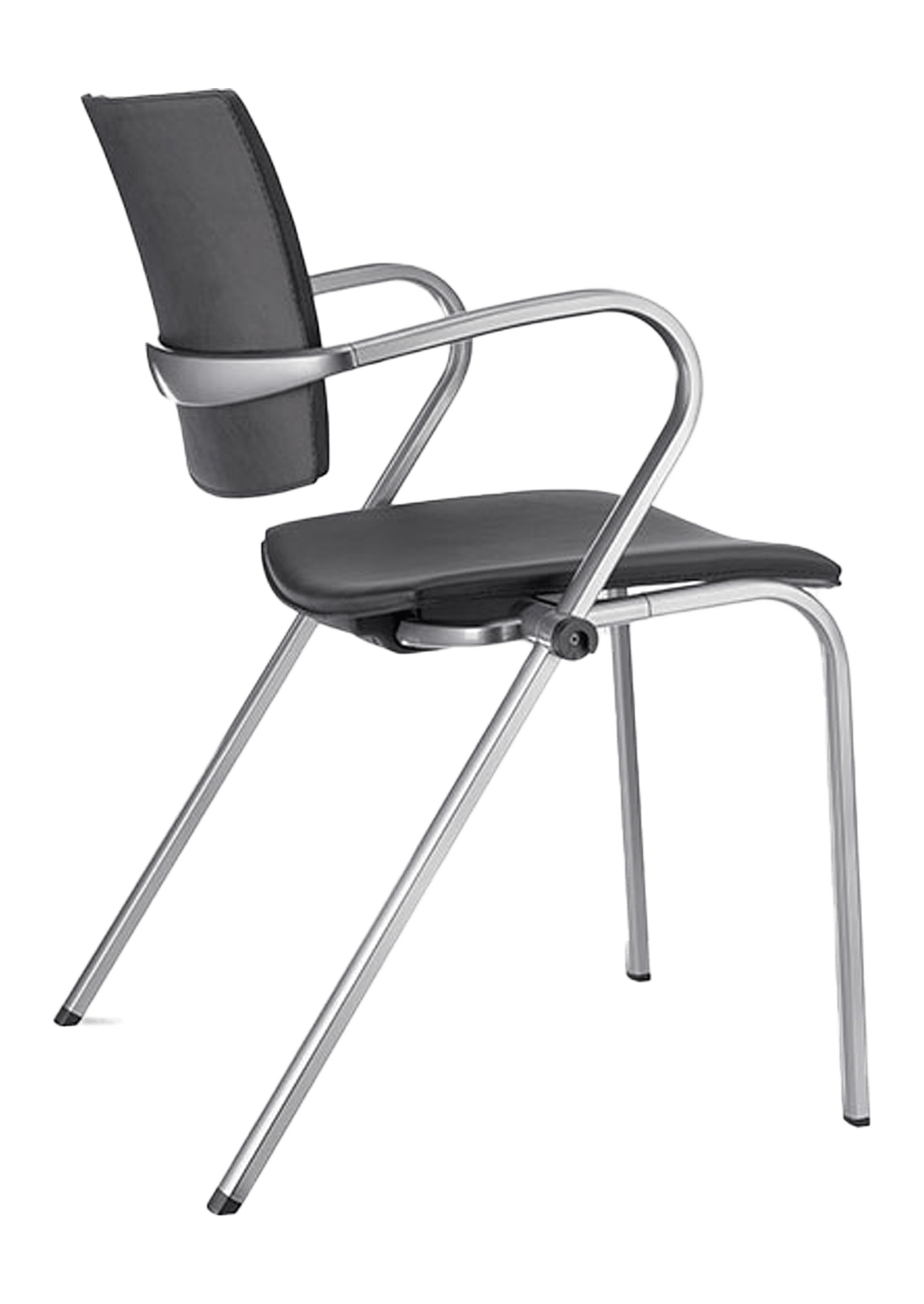
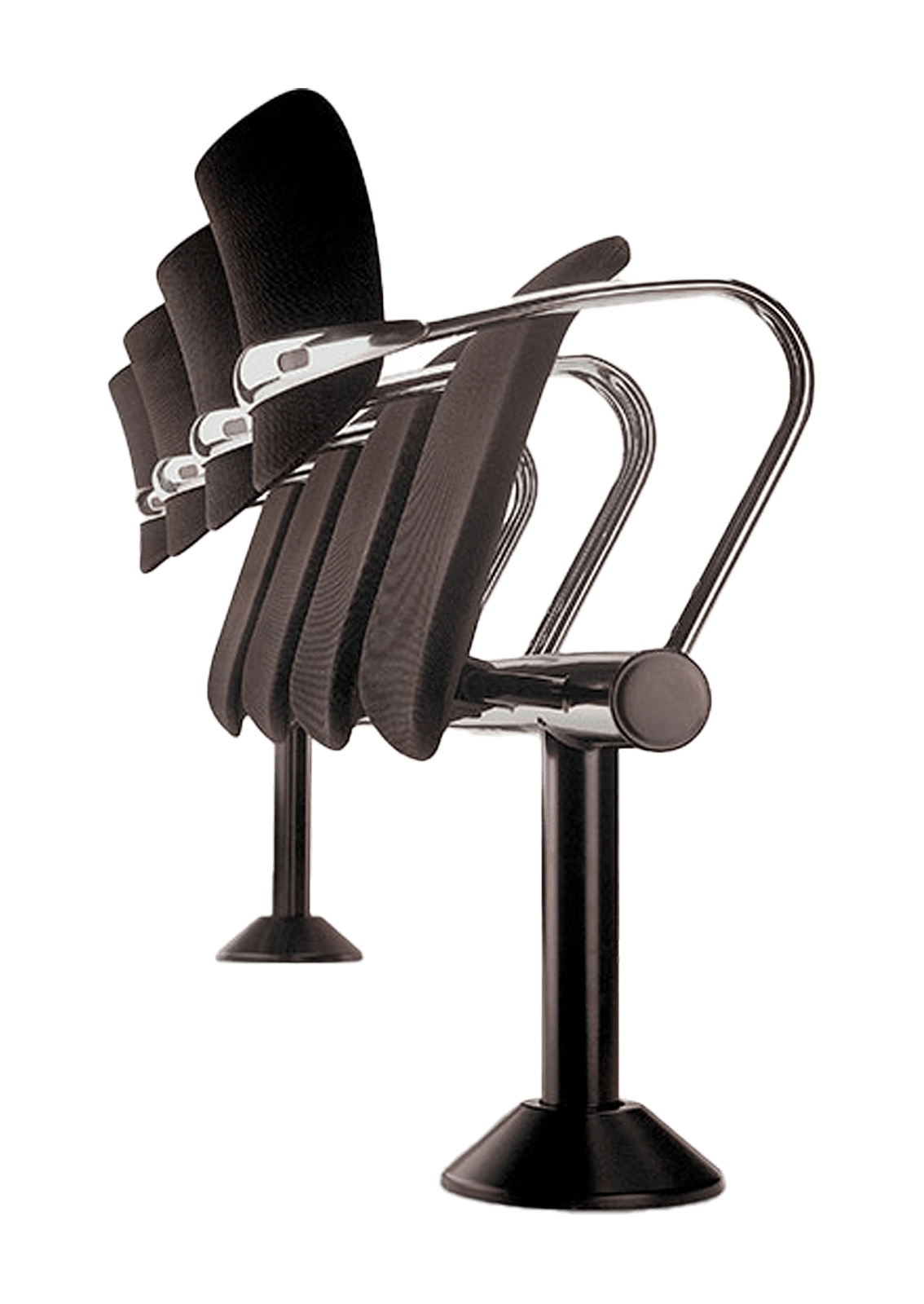
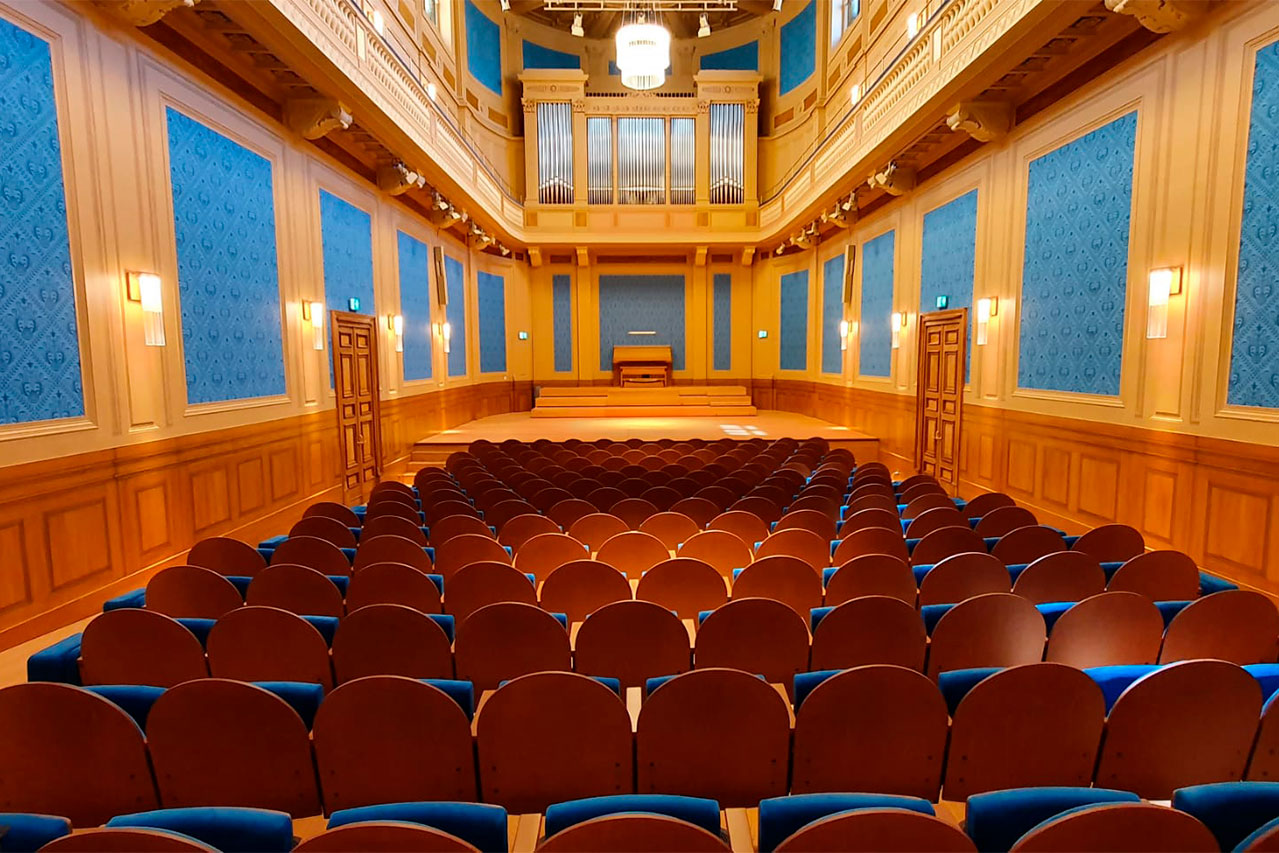
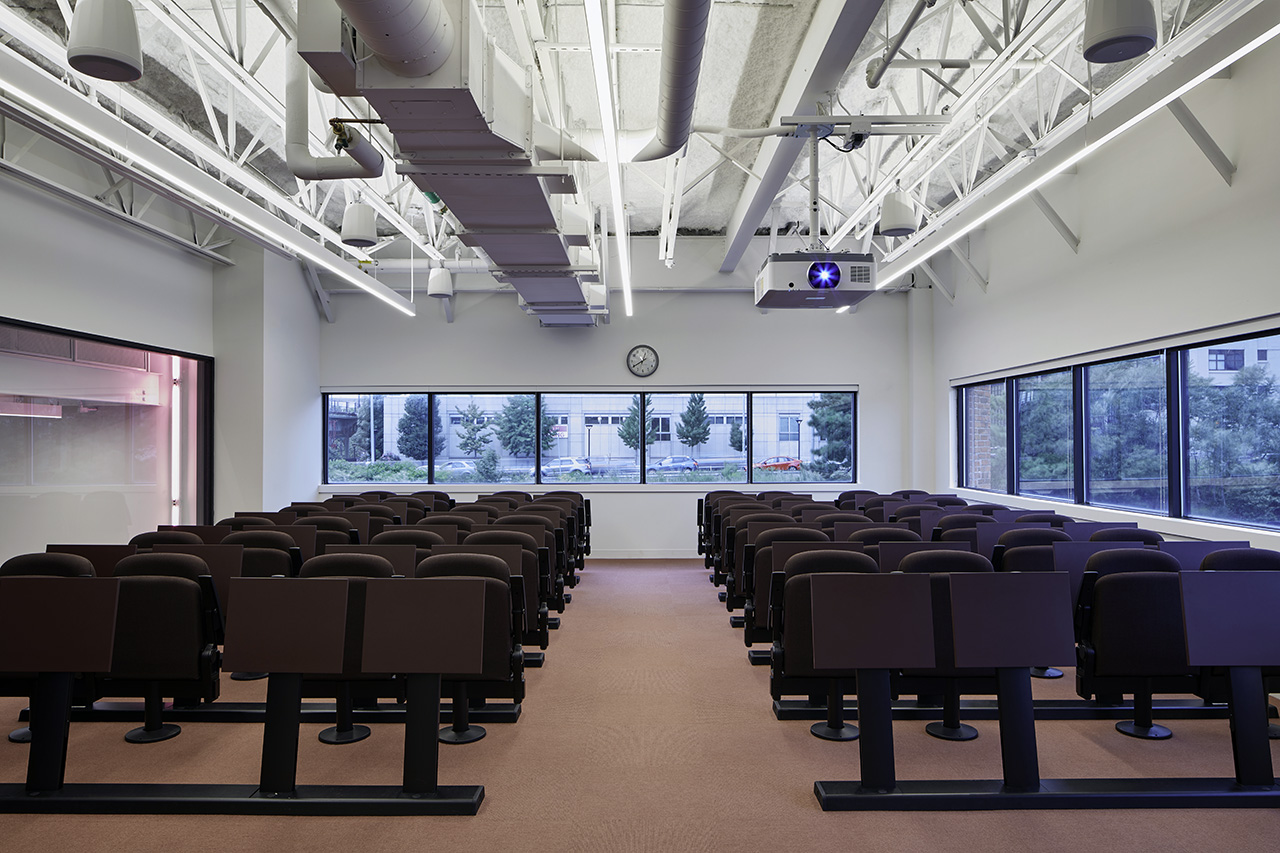
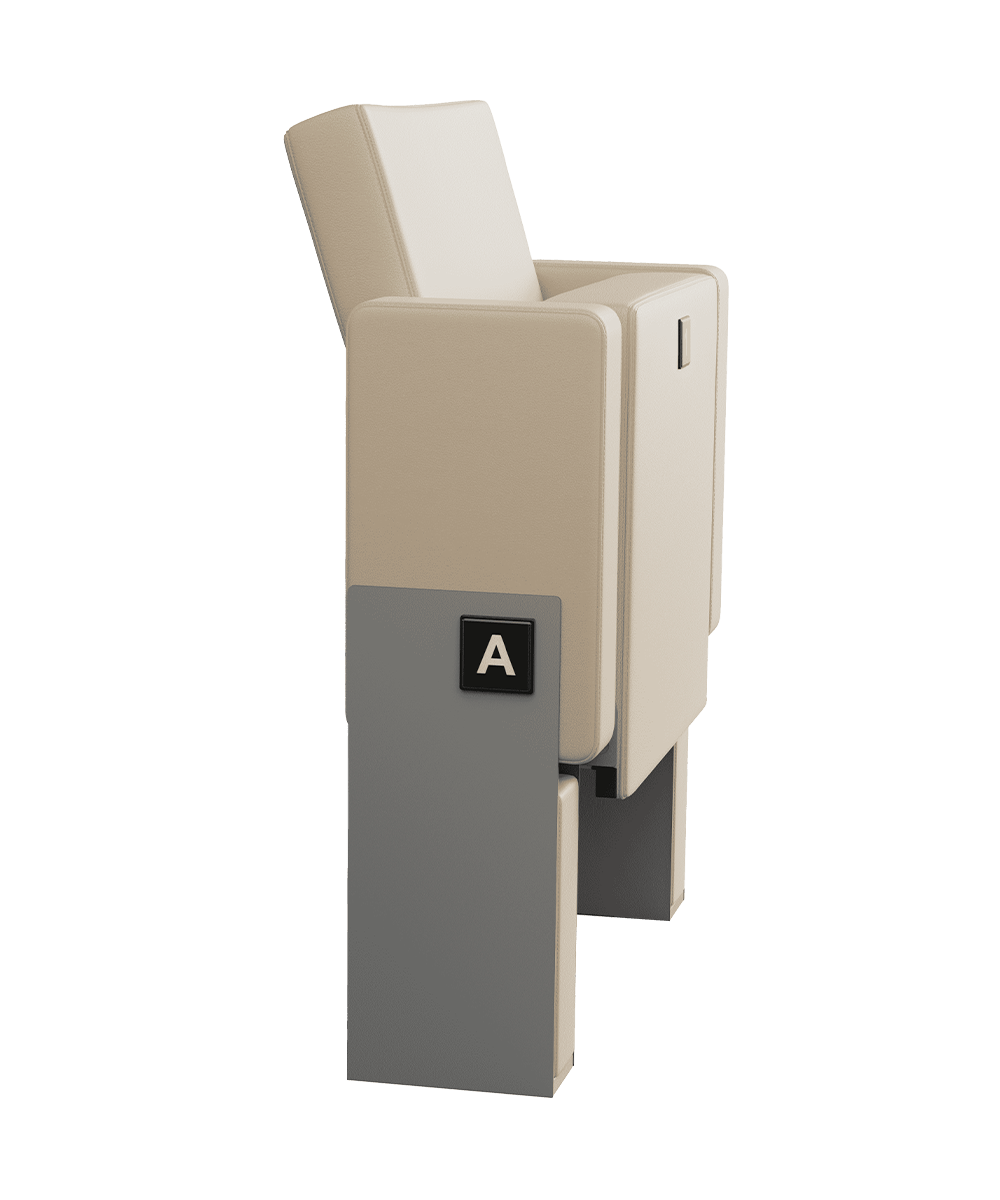
In collaboration with esteemed architecture firms, Figueras meticulously crafts seating that respects the historical significance of academic spaces while enhancing their functionality. This includes seats with individual tables for optimum productivity and movable seating systems for flexible, multifunctional spaces. Each Figueras installation is an embodiment of precision and attention to detail, elevating educational spaces to a level deserving of academic honors.
Take the first step,
request a quote today
PROJECTS
SEGMENTS
FAQs
What are the main seating requirements for education spaces?
Education spaces require seating that combines comfort, durability and flexibility. Seating must support frequent daily use, long sessions and different teaching formats, while integrating efficiently into the overall layout of the space.
How does seating support flexible learning environments?
Seating supports flexible learning by allowing spaces to adapt to different configurations, such as lectures, group work or multipurpose activities. Layout versatility helps education buildings respond to evolving academic needs.
What durability considerations are important in education seating?
Education seating must be designed for intensive use. Materials, fixings and finishes should support long-term performance and allow for efficient maintenance over time.
How does seating influence comfort during long classes or lectures?
Comfort depends on ergonomics, posture support, spacing and seat geometry. Well-designed seating helps reduce fatigue and supports concentration during extended learning sessions.
How does seating affect circulation and accessibility in education buildings?
Seating layout influences access routes, evacuation paths and accessibility. Early coordination helps ensure safe circulation and inclusive use of education spaces.
Can seating be adapted to different education formats?
Yes. Seating solutions can be adapted to classrooms, lecture halls or multipurpose learning environments, depending on spatial and functional requirements.
How early should seating be considered in an education project?
Seating should be considered from the early design stages, as it affects layout, capacity, circulation and technical coordination within the building.
How does seating integrate with the architectural design of education spaces?
Seating integrates by aligning geometry, layout and materials with the architectural concept, ensuring functional and visual coherence.
What role does seating play in the overall learning experience?
Seating contributes to comfort, focus and usability, directly influencing how users engage with education spaces.
How does seating design support long-term use in education facilities?
Designing for durability, ease of maintenance and adaptability helps ensure seating remains functional throughout the lifecycle of the building.
How can seating contribute to space efficiency in education buildings?
Well-planned seating layouts help optimise capacity and circulation while maintaining comfort and accessibility.
How do mobile seating systems support flexibility in education spaces?
Mobile seating systems allow education spaces to be reconfigured for different teaching formats or events. They support multipurpose use without permanent layout changes, helping spaces adapt over time.