T
THEATRE
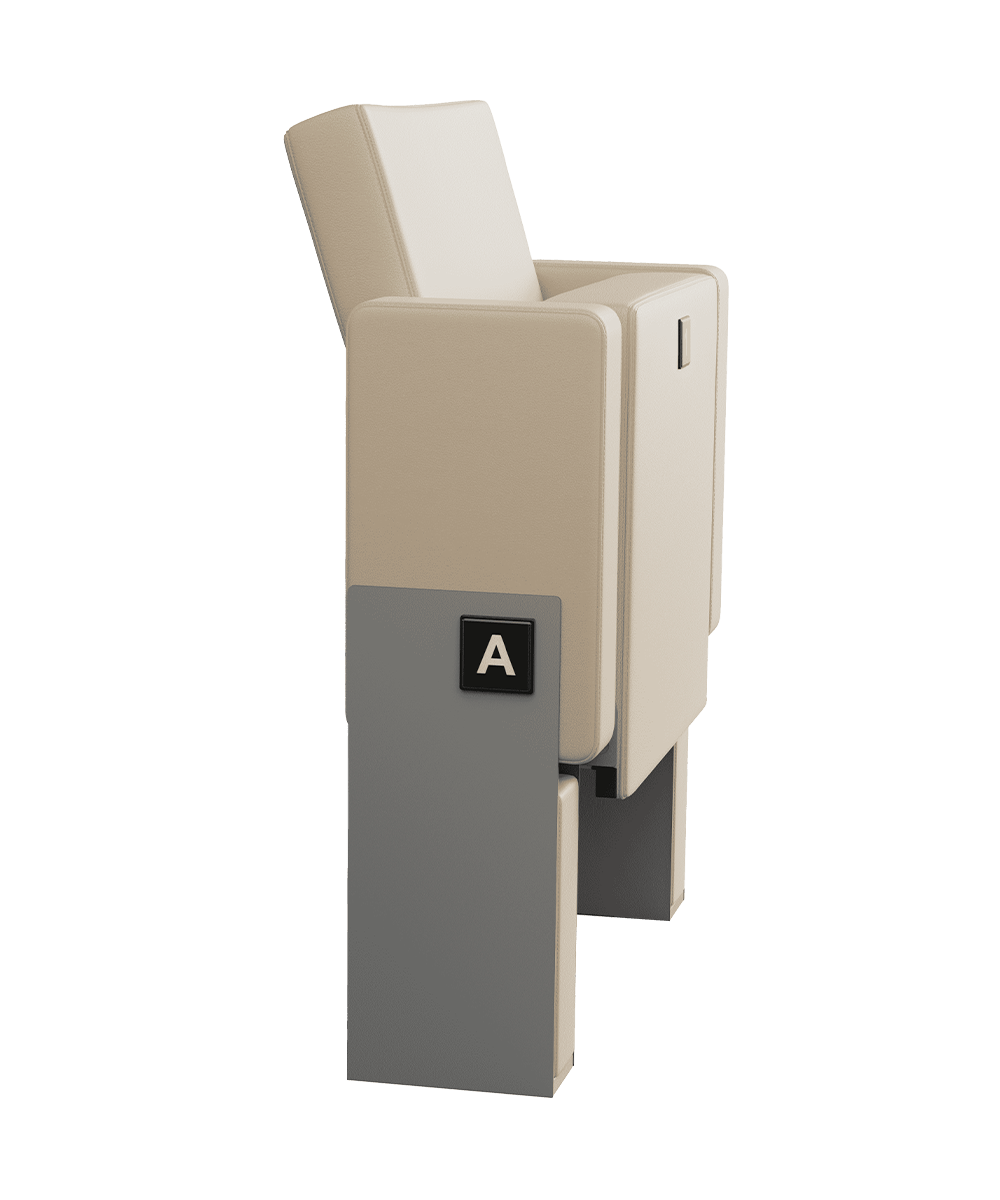
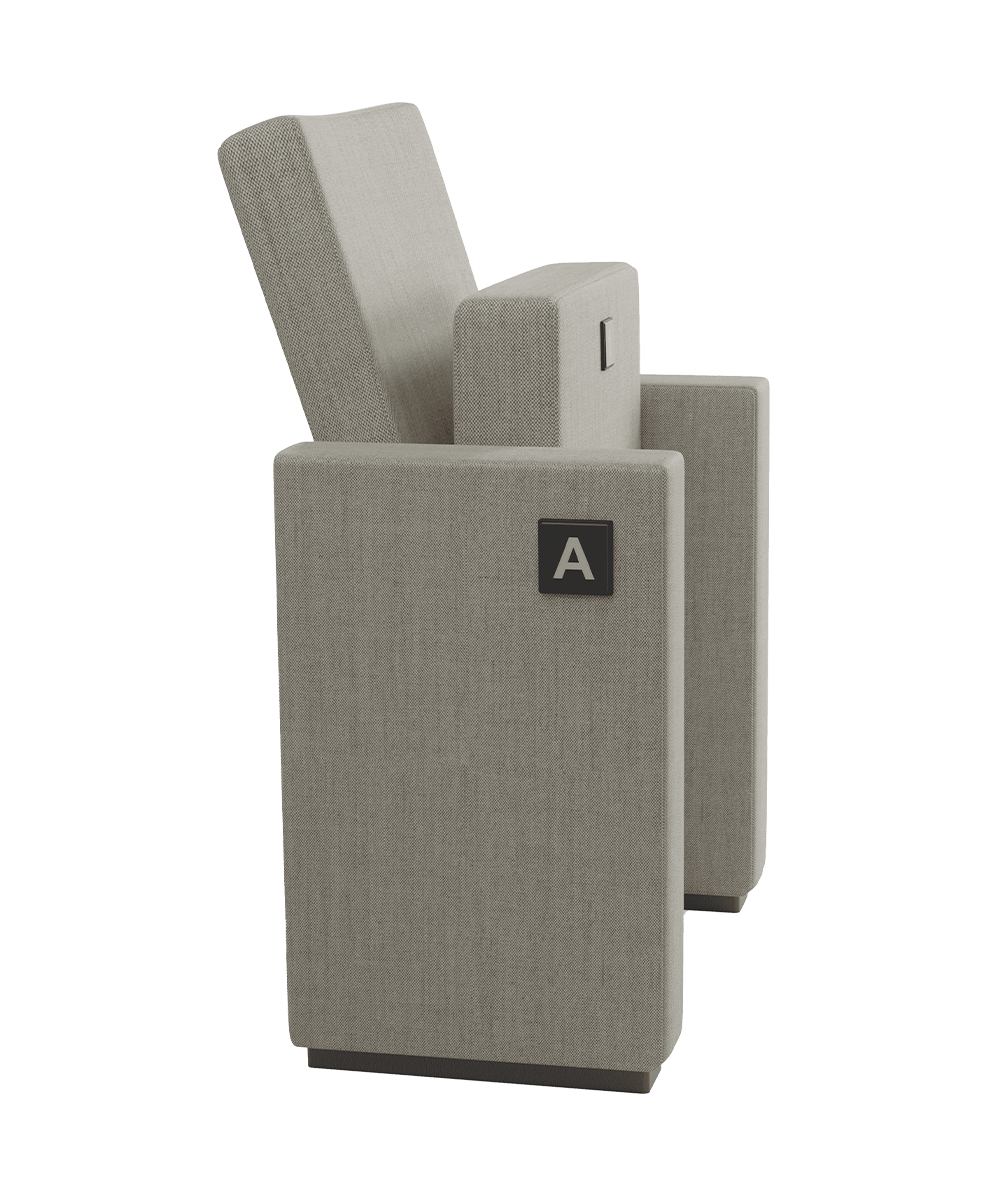
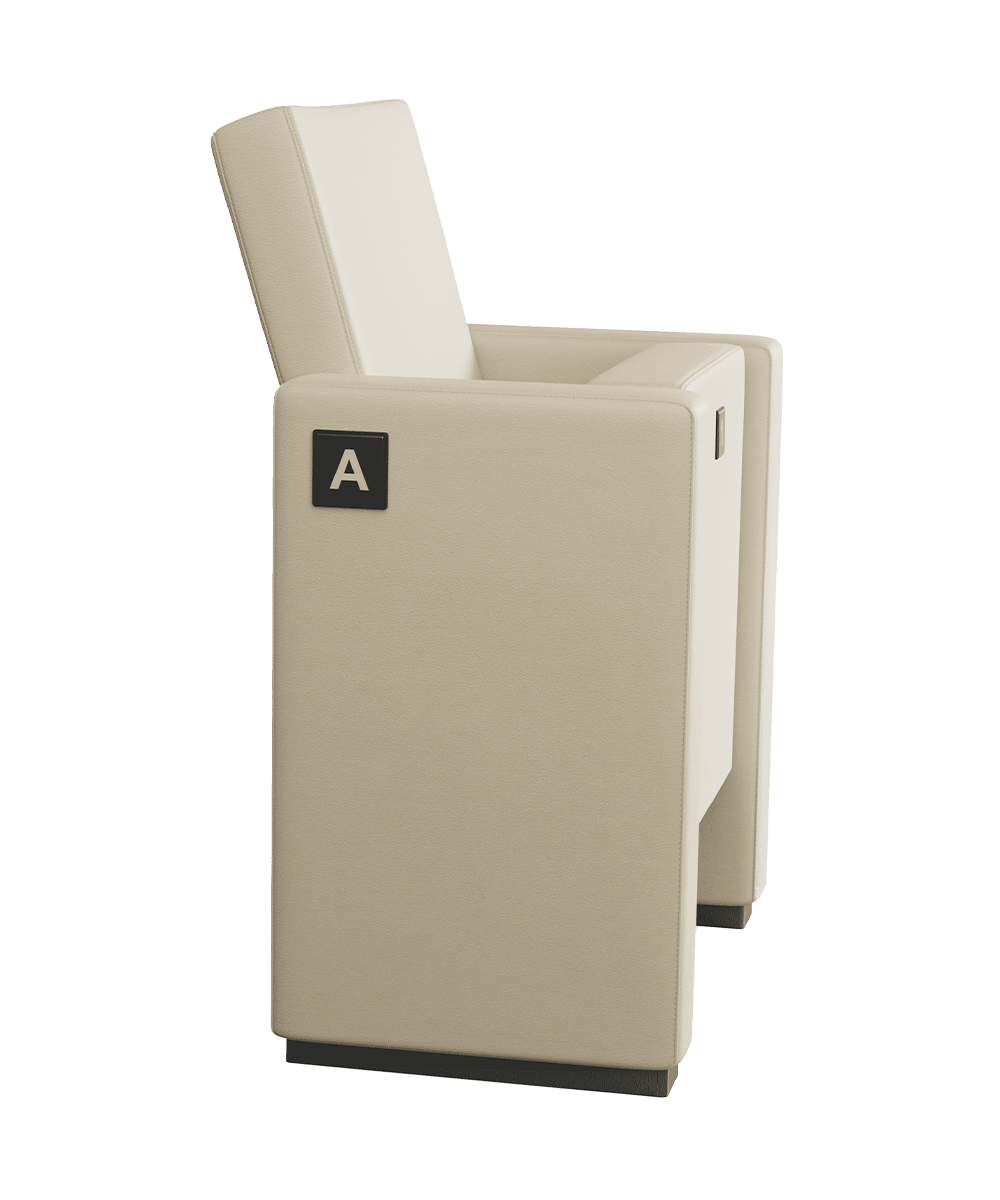
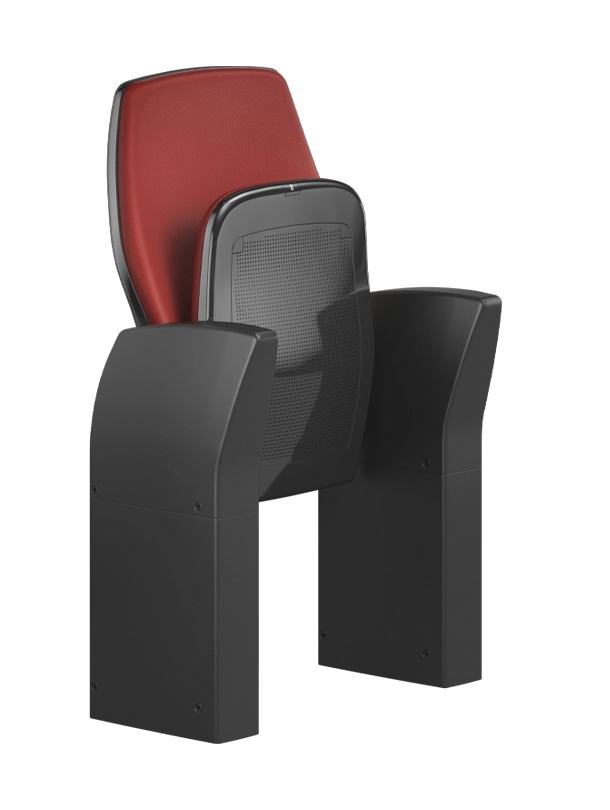
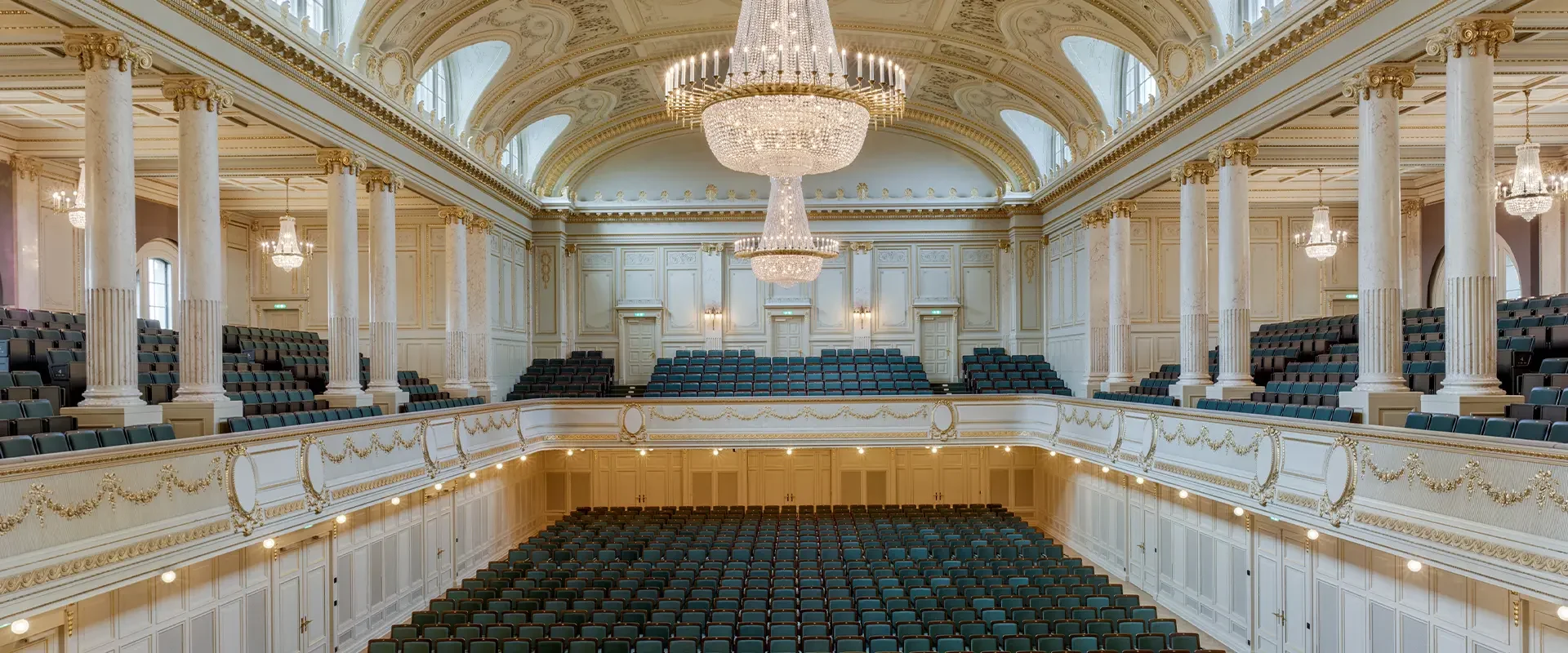
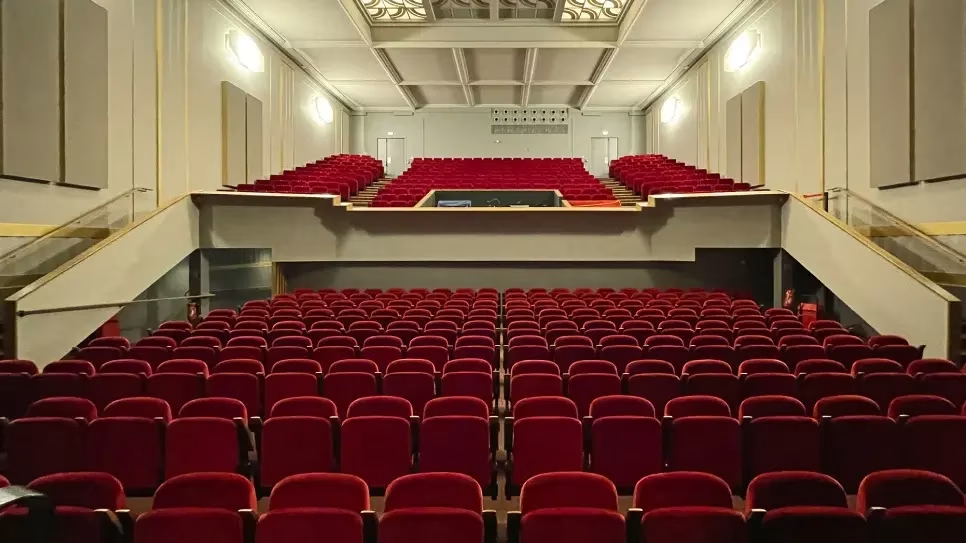
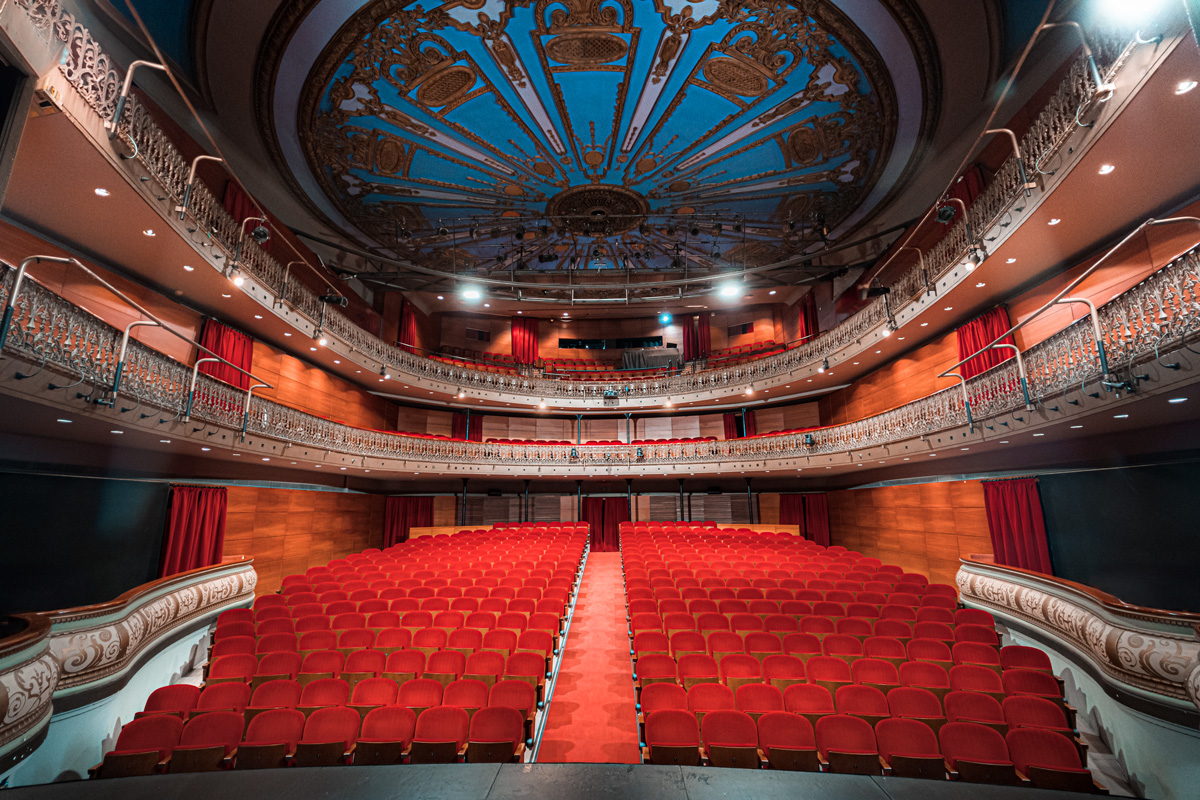
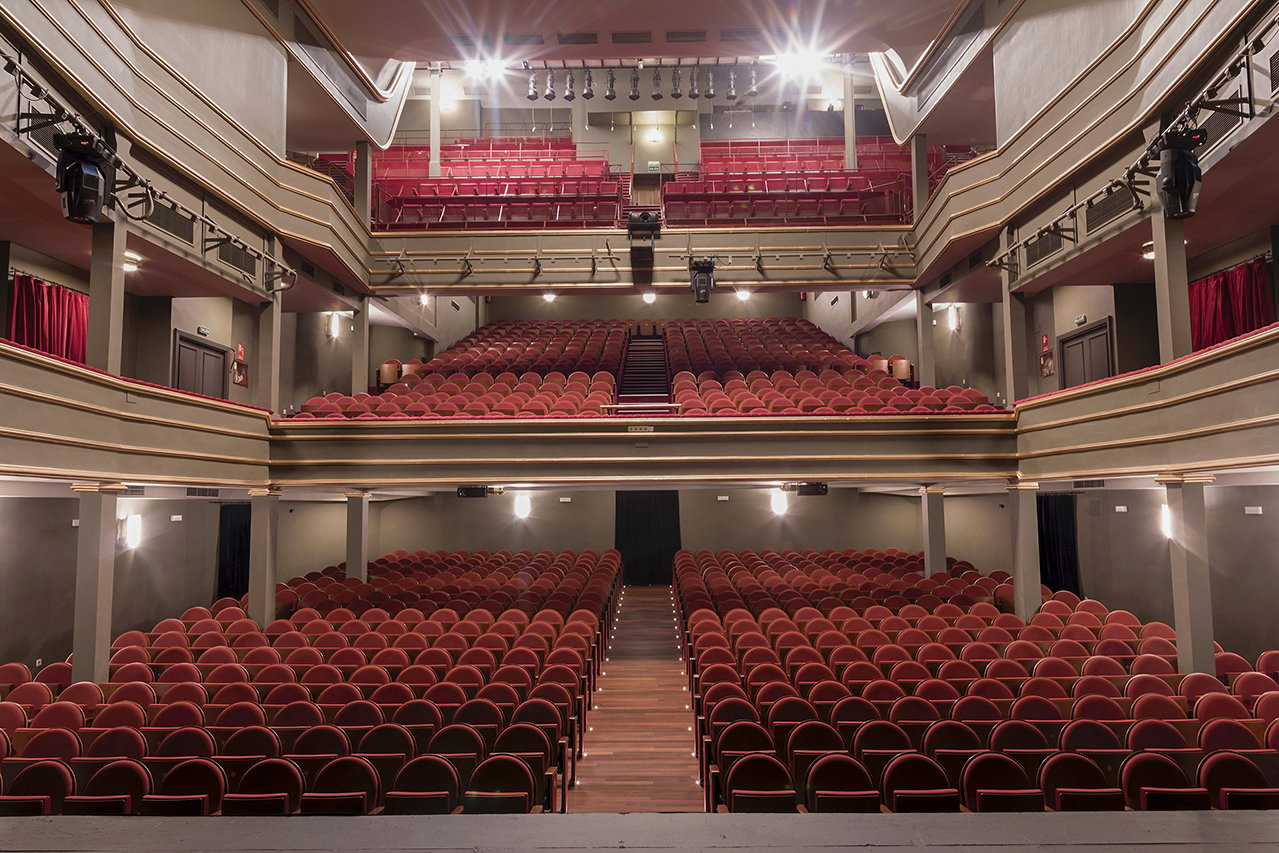
In the realm of theatre, we specialize in crafting seats that not only complement the architectural elegance of traditional theatres but also align with the innovative aesthetics of modern spaces.
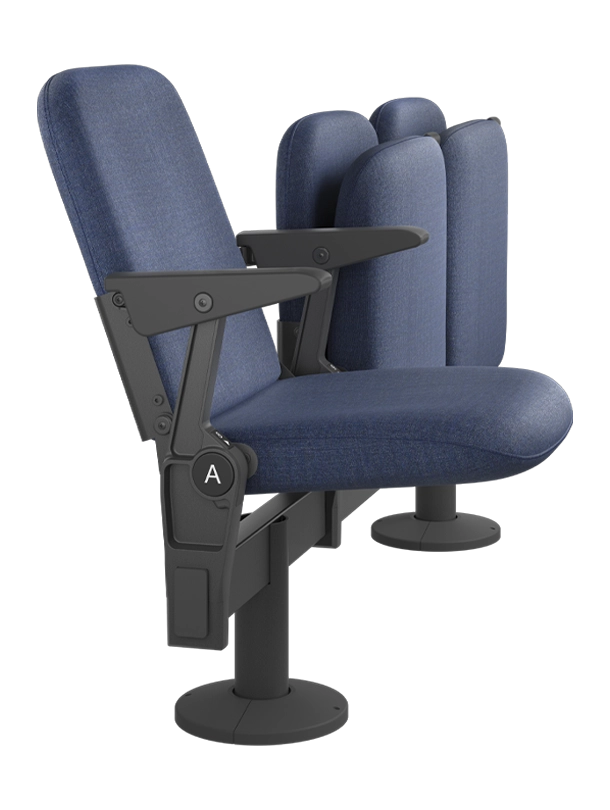
Our approach is deeply collaborative; we work closely with architects, scenographers, acousticians, and designers to create perfect seating that enhances the theatrical experience. Our seats are more than just functional elements; they are integral to the magic of theatre, designed to engage audiences and amplify the emotional impact of performances. Whether in a historic playhouse or a contemporary performing arts centre, Figueras’s seats blend comfort, style, and durability, ensuring that each venue maintains its unique character while providing an unparalleled audience experience.
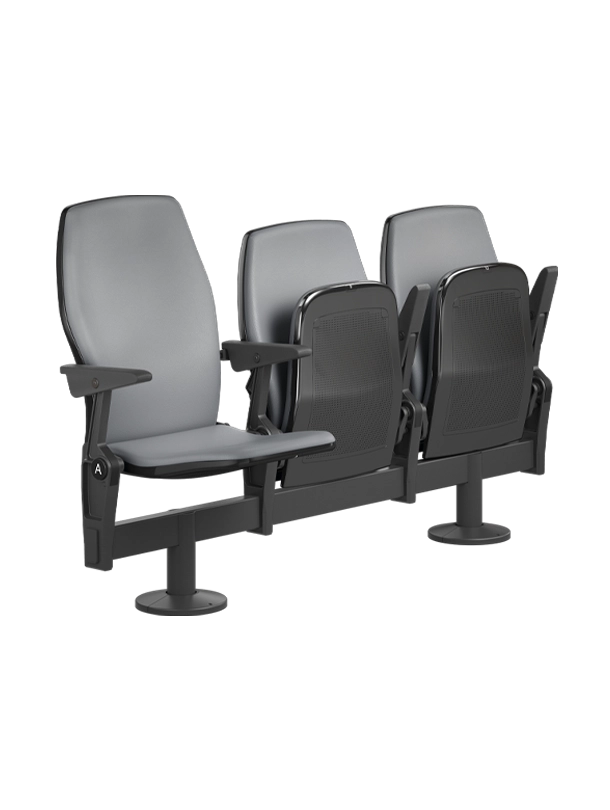
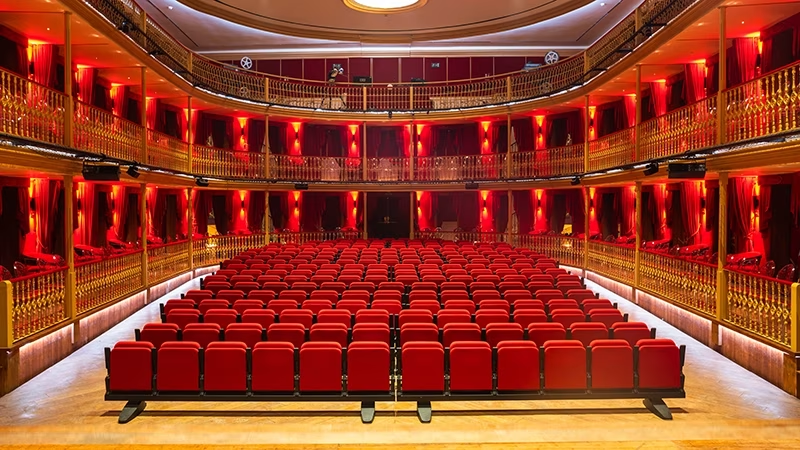
We take pride in our ability to tailor our seating solutions to the specific needs and visions of each theatre, delivering a harmonious fusion of artistry and functionality. With Figueras, every seat in the house becomes a prime spot for immersing in the world of drama, music, and dance.
Take the first step,
request a quote today
PROJECTS
SEGMENTS
FAQs
What are the key requirements for theatre seating?
The key requirements for theatre seating revolve around clear visibility, balanced acoustic conditions and sustained audience comfort. These elements must work together to support the performance and ensure a high-quality experience throughout the duration of the show.
How does seating influence acoustics in theatres?
Seating interacts with sound absorption and distribution, making coordination with acoustic design and architectural geometry essential. This interaction is a key consideration in theatre seating design, where sound quality is critical to the performance experience.
How does seating influence visibility and sightlines?
Seat geometry, spacing and rake define the isoptics and sightlines, determining how audiences see the stage from different positions across the stalls. Proper coordination of these parameters ensures clear, unobstructed visibility throughout the theatre seating area while maintaining balanced audience distribution.
How is audience comfort addressed in theatre design?
Audience comfort in theatre seating design is addressed through a combination of ergonomic seat design, appropriate spacing and carefully selected materials suited to long performances. Factors such as posture support, seat geometry, legroom and armrest design are defined in relation to performance duration and audience profile, ensuring sustained comfort without compromising visibility or acoustic performance.
How does seating integrate with stage and performance needs?
Seating integrates with stage and performance needs by responding to the functional and technical requirements of the performance space. This includes coordination with stage configuration, orchestra pit, performer access, technical installations and audience proximity, ensuring that theatre seating supports the intended staging, production logistics and spatial relationships defined by the artistic and technical teams.
Can theatre seating be adapted to historic or complex venues?
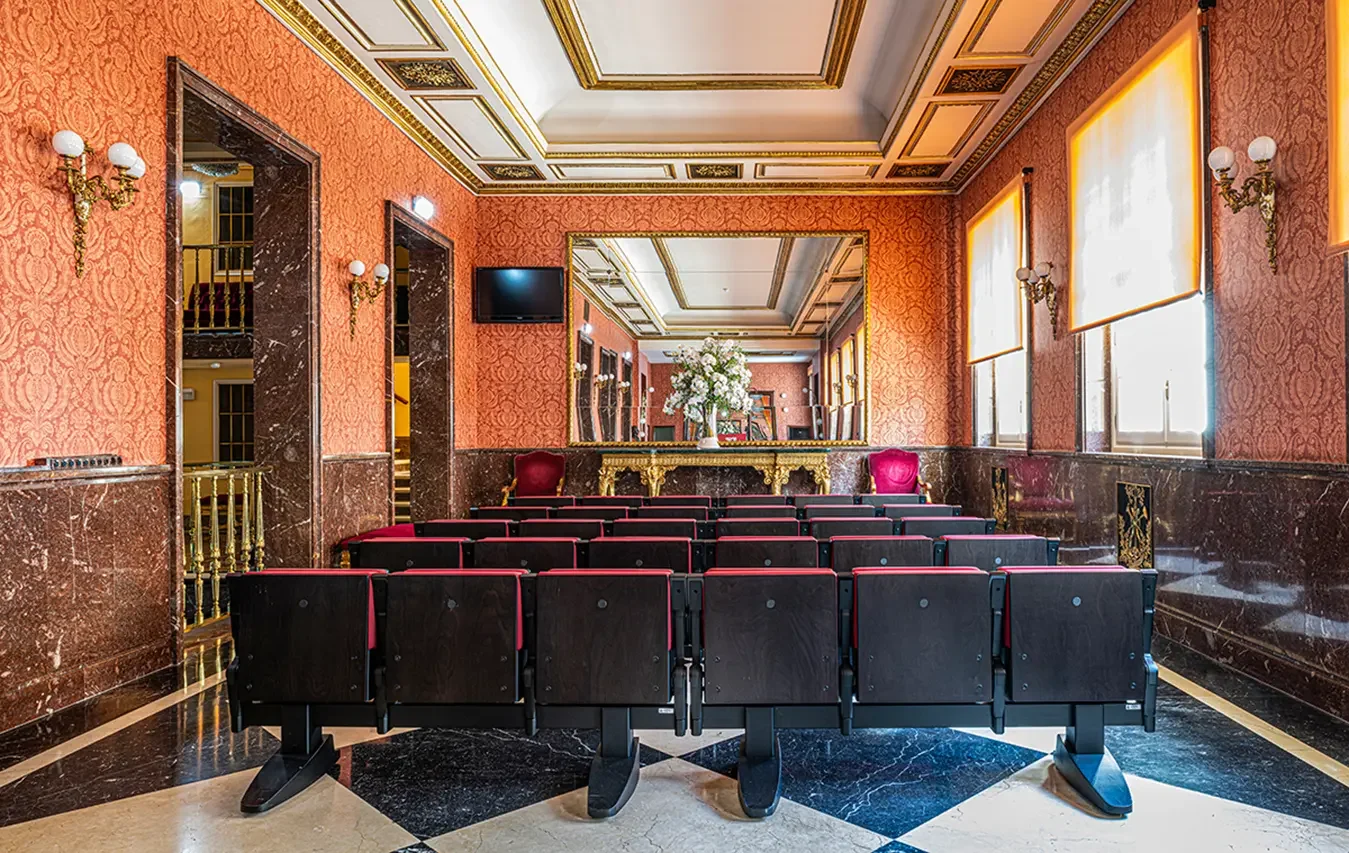
Yes. Theatre seating solutions can be adapted to architectural constraints while respecting heritage and character.
How does seating contribute to the atmosphere of a theatre?
The atmosphere of a theatre is shaped by how the audience occupies and perceives the space. Elements such as seat scale, proportions, materials and finishes influence the visual character of the auditorium, while layout and density affect intimacy, focus and the relationship between audience and performance.
Through these factors, theatre seating plays an active role in defining the theatrical atmosphere, supporting the intended mood of the space without competing with the stage or scenographic elements.
How early should seating be considered in a theatre project?
Seating should be considered from the early design stages, as it is one of the defining elements of a theatre space. Seat layout directly influences sightlines, acoustics, audience proximity and the relationship between stage and stalls. An early integration is essential to align architectural design, technical requirements and the intended theatrical experience from the outset.
How does seating support long-term theatre operation?
Theatre seating supports long-term theatre operation by prioritising durability, ease of maintenance and replaceable components. Robust construction and considered material selection help reduce downtime, simplify maintenance tasks and ensure consistent performance over years of intensive use, contributing to the operational sustainability of the theatre.
How does seating design influence audience engagement?
Seating design influences audience engagement by shaping comfort, focus and the physical relationship between the audience and the stage. Appropriate seat geometry, spacing and orientation help maintain attention, reduce distraction and support a strong connection between performers and spectators throughout the performance.
How does seating interact with accessibility requirements in theatres?
Seating interacts with accessibility requirements through inclusive layouts that consider wheelchair positions, companion seating, clear circulation paths and accessible sightlines. Accessibility is addressed as an integral part of the seating strategy, ensuring compliance with regulations while supporting equitable audience experience across the theatre. Accessibility is addressed as an integral part of theatre seating layouts, ensuring an equitable audience experience.
What role do movable seating systems play in theatre design?
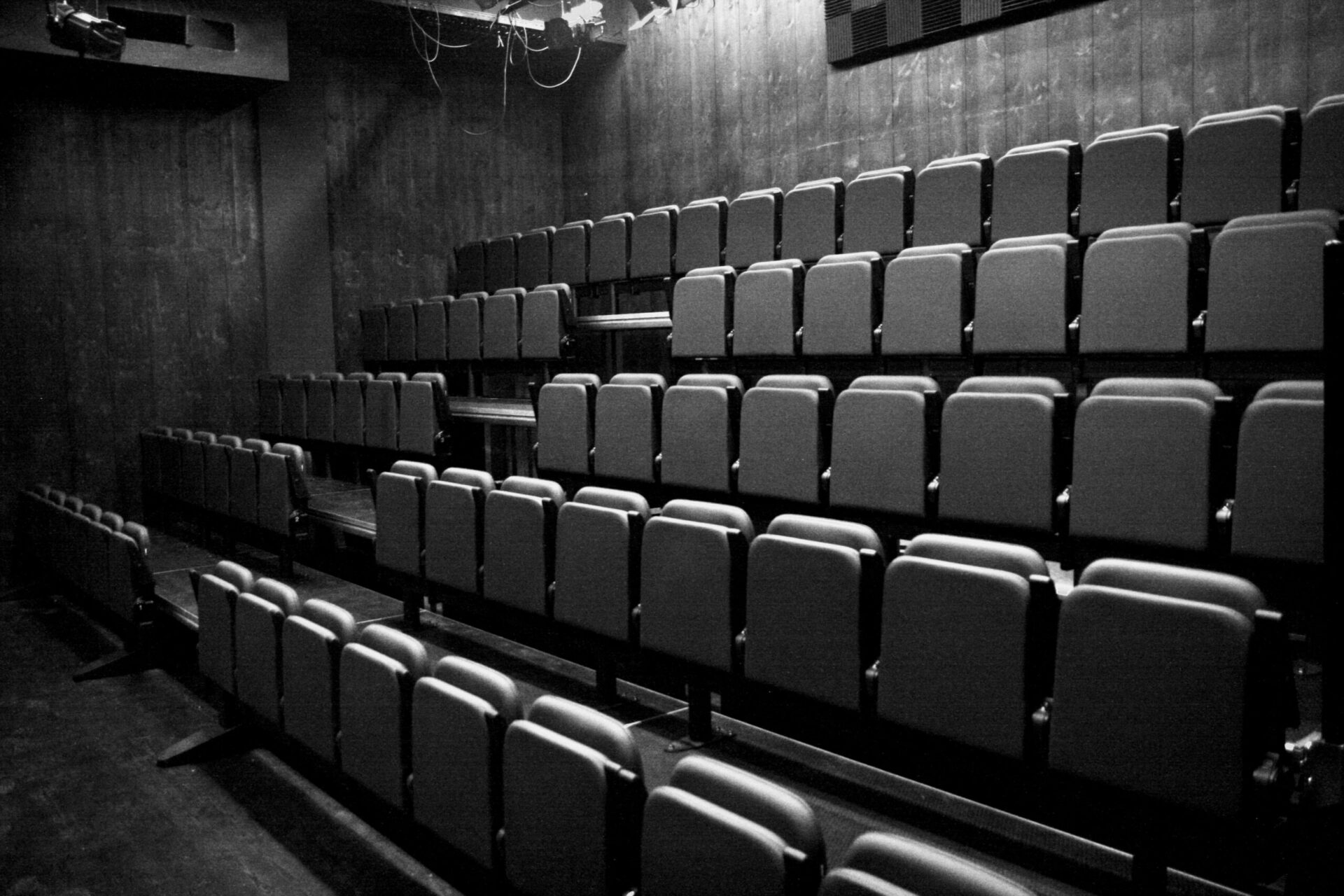
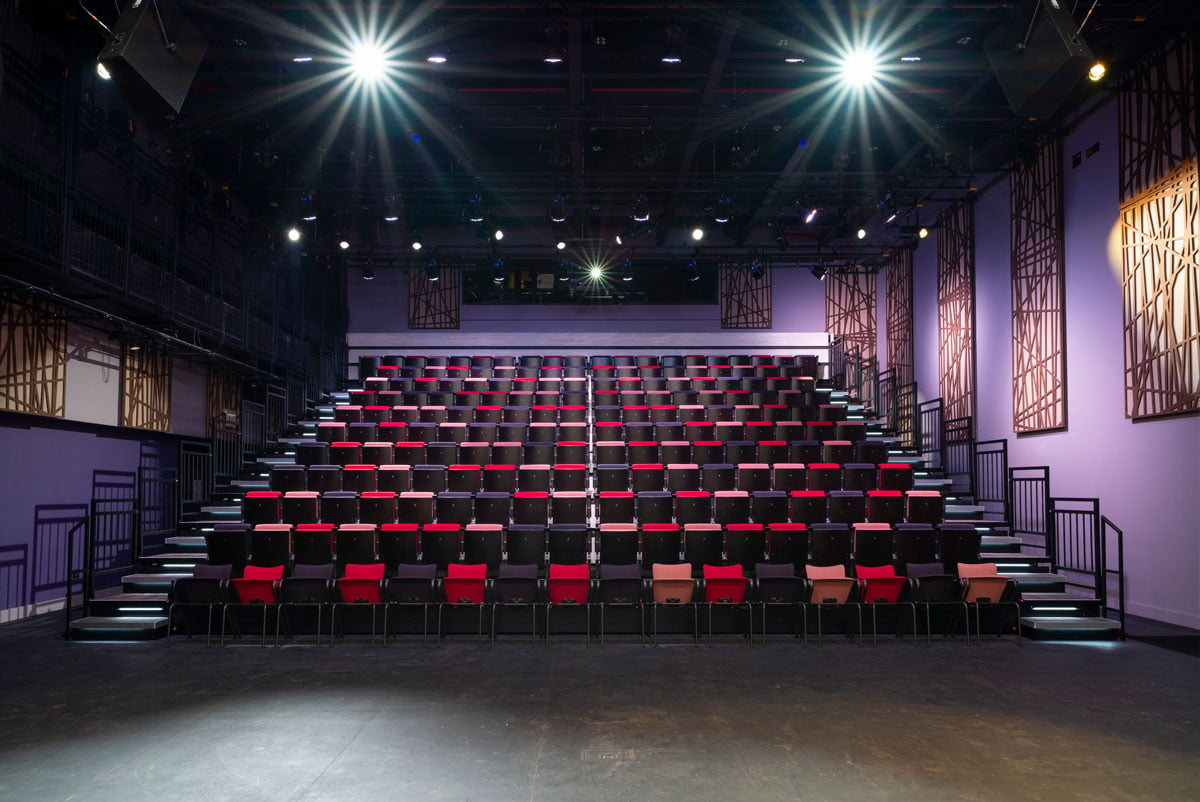
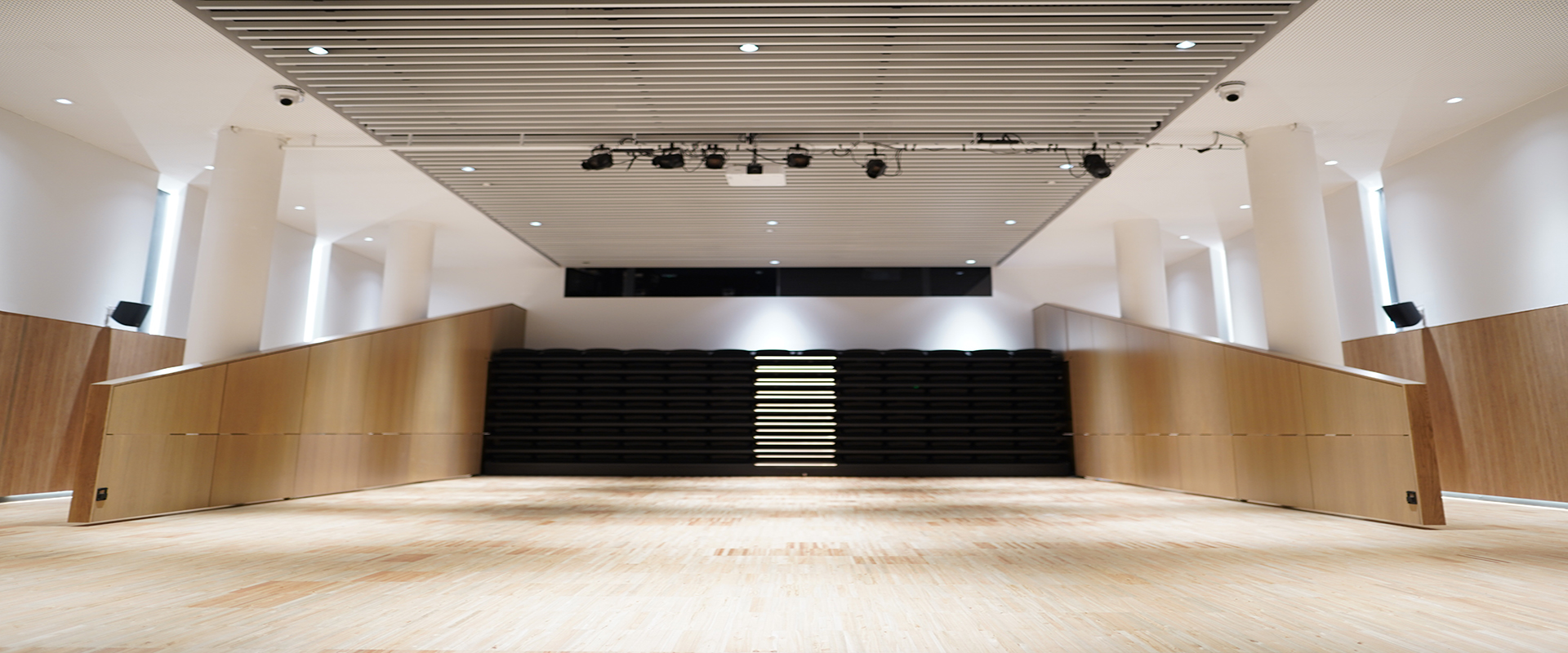
Mobile seating systems play a key role in contemporary theatre design, particularly in flexible venues such as black box theatres, where the relationship between stage, audience and space is not fixed. These systems allow theatre seating layouts to be reconfigured to support different performance formats and staging concepts.
By enabling rapid transitions between configurations, mobile seating systems support versatility and intensive use of the space, while preserving essential performance criteria such as acoustics, sightlines and audience comfort.